
Last updated October 16, 2026
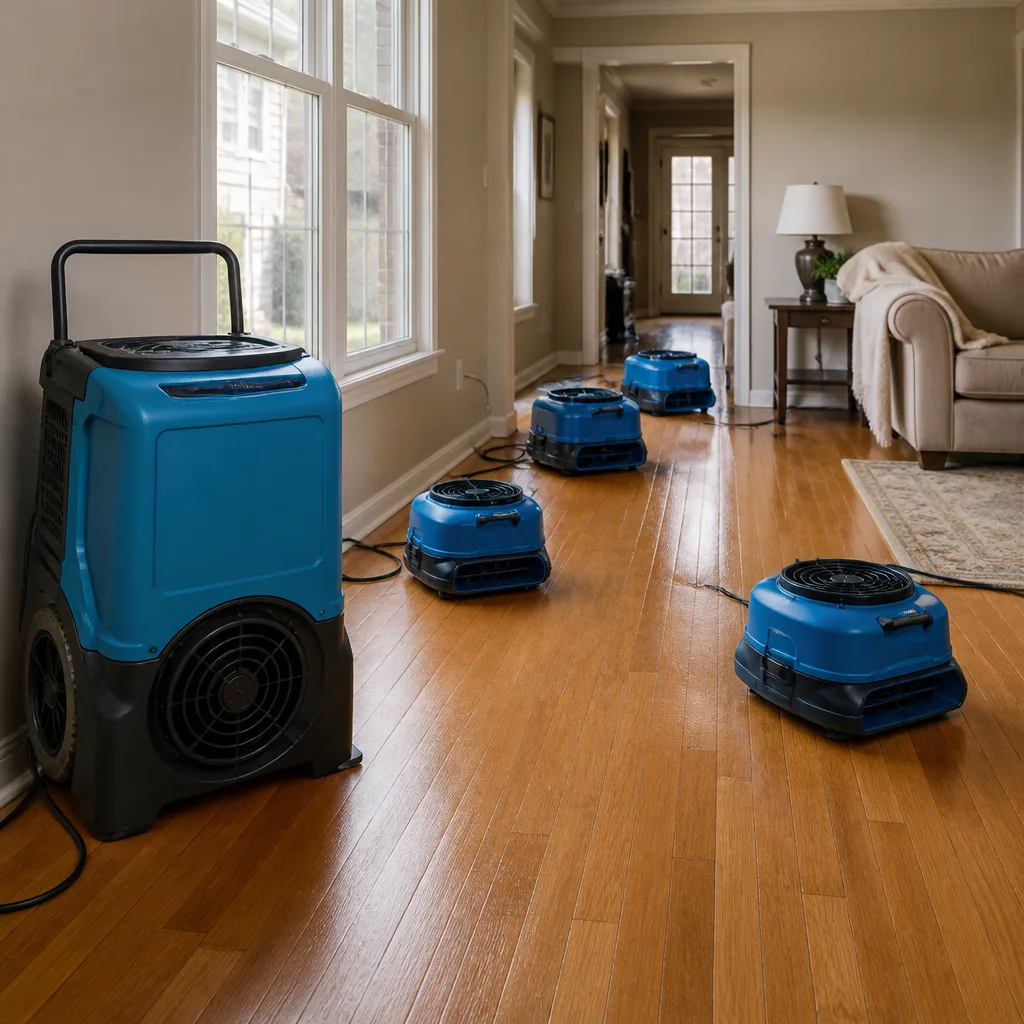 Water damage drying
 Fire & smoke cleanup
 Mold remediation
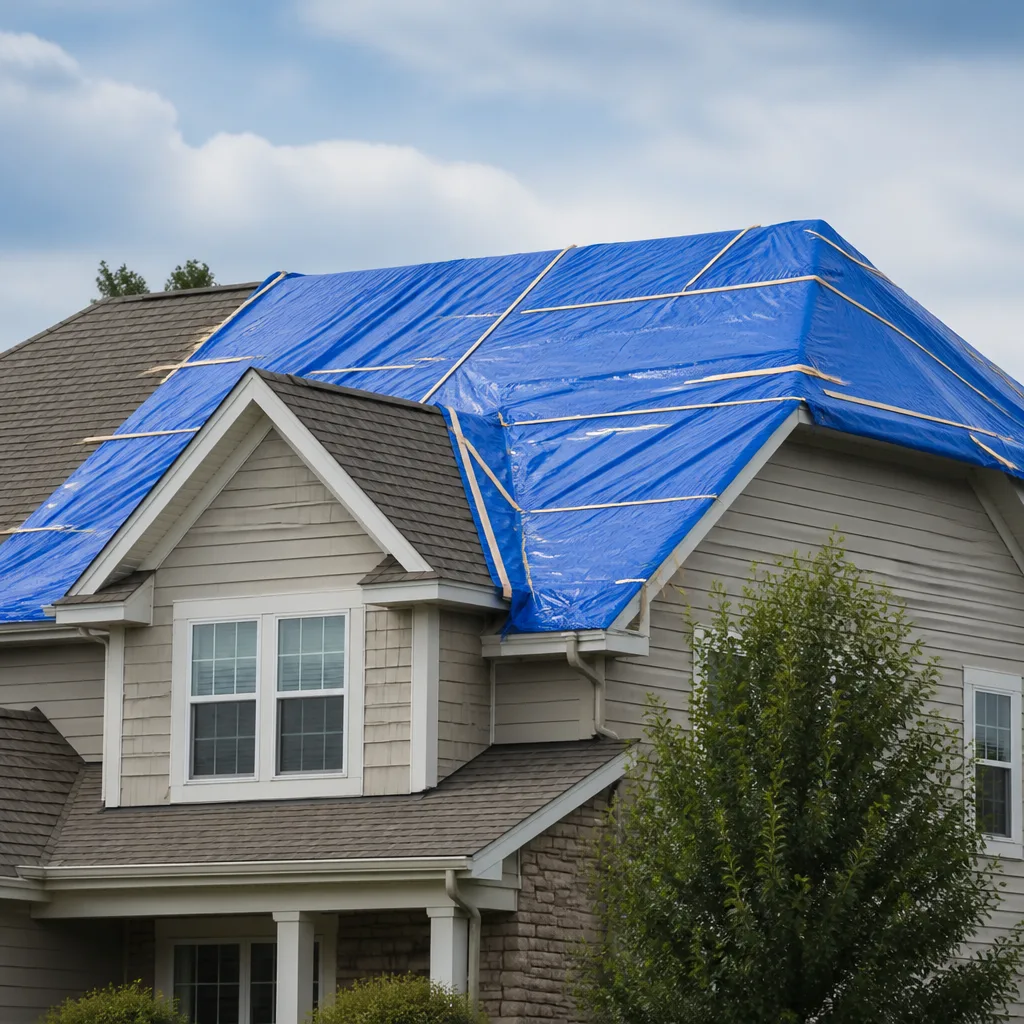 Storm response
 Sewage cleanup
 Reconstruction
Free visual inspection and a written scope of work before any mitigation begins - photos, moisture readings, and drying logs go in your claim file
The scope we write is the scope we bill. Anything new gets shown to you, in writing, before we touch it.
Get your free estimateDamage Restoration Warning Signs: A Houston Homeowner’s Reference Guide
Here’s a number most national home-maintenance guides never account for: Houston’s average relative humidity sits near 75% year-round, and spikes past 90% on a wet July morning. That single fact changes how damage restoration warning signs work in this city. A water stain that would dry out and fade overnight in Phoenix keeps feeding mold in Bellaire. A warped baseboard that reads as “old house settling” in a national forum is often active moisture migration along a Houston slab foundation. This guide is organized by location in the home, not by vague symptom, so you know exactly where to look, what you’re seeing, and what to do next.
Quick Answer
The most reliable early warning signs of water damage in a Houston home are paint bubbling or peeling below windows and along baseboards, baseboard separation from the wall or floor, doors and interior windows that suddenly stick or won’t latch, a persistent earthy smell that stays in one area even after airing out, and efflorescence (white chalky deposits) on brick or block exterior walls that reappears after brushing it off. In Houston’s climate, any of these signs paired with high indoor relative humidity above 60% means water is getting where it shouldn’t be, and mold can establish within 48 to 72 hours. If you see two or more of these in the same room, call a professional for a moisture assessment before the damage spreads behind the wall, or read our guide on how to hire a damage restoration contractor in Houston to prepare for that call.
Restoration work we handle
Table of Contents
- Why Houston’s Climate Changes How Warning Signs Show Up
- Room-by-Room Warning Sign Guide for Houston Homes
- Efflorescence vs. Active Moisture: What That White Residue Actually Means
- The Order of Warning Signs: Reading the Sequence to Estimate How Long Water Has Been Present
- Houston HVAC Drain Pans: The Warning Sign Location Almost Everyone Misses
- The Smell Test: Mold Odor vs. General Houston Mustiness
- Slab Foundation Stress Signs Specific to Houston Homes
- Common Mistakes to Avoid
- When to Call a Professional
- Frequently Asked Questions
Why Houston’s Climate Changes How Warning Signs Show Up
Houston is built on a humid subtropical climate with a clay-heavy soil profile that expands and contracts with moisture. That means two things for homeowners. First, the air itself carries enough moisture that materials inside your home rarely dry naturally once wet. Drywall, subflooring, and wood framing can stay damp for weeks after a small leak because the surrounding air is already saturated. Second, Houston’s gumbo clay soil swells dramatically when wet and shrinks when dry, which puts constant, uneven pressure on slab foundations. Hairline cracks in drywall around door frames or windows are not always structural, but in Houston they’re more likely to be moisture-related than in drier cities.
We’ve worked in Houston homes where a slow under-sink leak ran for months without anyone noticing because the cabinet bottom felt “a little soft” but never actually dripped through. The humidity masked the early smell, and the leak only surfaced when baseboard paint started separating two rooms away from the source. That’s the Houston pattern: warning signs travel before they announce themselves.
Room-by-Room Warning Sign Guide for Houston Homes
Attics: What To Look For
Houston attics get brutally hot, and that’s part of the problem. Radiant heat from a dark shingle roof can push attic temperatures past 140°F in August. When a small roof leak lets moisture into the decking, that heat drives the moisture deeper into the wood instead of letting it dry on the surface. By the time you see a dark stain on the attic side of the decking, the wood has often been saturated for weeks.
Specific things to look for in a Houston attic:
- Dark stains on roof decking, especially in clusters near penetrations: plumbing vents, attic fans, HVAC flues, and satellite dish mounts. In Houston’s heat, these stains may feel dry to the touch but still indicate past saturation that weakened the wood.
- Rust on nail heads or metal straps. Attic nails rusting from the underside means condensation has been forming regularly. In a Houston attic, this often points to inadequate ventilation rather than an active roof leak.
- Cellulose insulation that has settled and darkened in one area. Wet cellulose compresses and discolors. Compare patches near the eaves to patches in the middle of the attic floor.
- Visible daylight around any roof penetration. If you can see light, water can get in during a Houston downpour.
Bathrooms: Beyond the Obvious
Most homeowners check for water around the toilet base and caulk lines, which is good. What gets missed in Houston bathrooms is the shower pan and the tub overflow because both fail slowly over time.
- Check the ceiling below the bathroom, not just the bathroom floor. A shower pan leak shows up first as a faint yellow-brown stain or paint bubbling on the ceiling of the room beneath, often near the drain location.
- Press gently on the floor around the toilet base with the heel of your hand. Spongy vinyl or tile movement means the subfloor has been wet long enough to soften. In Houston, this is more common than most people think because bathroom humidity keeps floors from drying between small leaks.
- Look at the grout lines in the shower. Missing or cracked grout on the shower floor is a direct path for water into the pan below. Sealing grout may help for a while, but if the pan itself was installed without a proper pre-slope, water pools underneath and slowly migrates outward.
Under Sinks: The Five-Minute Check
Kitchen and bathroom sink cabinets hide some of the most common active leaks in Houston homes. Here’s the sequence to run, about once every two months:
- Open the cabinet and shine a flashlight at the back wall, not just the cabinet floor.
- Look for swollen particleboard or MDF, which in Houston humidity can swell even without a visible leak if the cabinet back is against a poorly sealed exterior wall.
- Run the water, then check the supply lines and p-trap connections with a dry paper towel. A slower drip that only happens under pressure is easy to miss.
- If you have a dishwasher, check under the adjacent cabinet and behind the toe kick for any discoloration or softening.
Small under-sink leaks in Houston don’t always show a puddle. The cabinet absorbs what it can, and the rest evaporates into already-humid air. What remains is a slowly growing mold source behind the toe kick.
Along the Slab Perimeter
Walk the interior perimeter of your home on a dry day, in bare feet or with thin socks. Feel for cool tiles or carpet that feels damp closer to the exterior walls. In Houston slab homes, water from a plumbing leak under the slab travels up through the slab and shows itself first at the edges of rooms. Also check:
- Baseboards along exterior walls for swelling, darkening, or paint separation at the top edge.
- Carpet tack strips near exterior walls, which rust and stain carpet when moisture wicks up through the slab.
- Flooring that feels noticeably cooler in one square area than the surrounding floor. That temperature drop is often evaporative cooling from moisture underneath.
Efflorescence vs. Active Moisture: What That White Residue Actually Means
Efflorescence is a word most Houston homeowners learn only after someone tries to sell them a service they don’t need. It’s the white, chalky, sometimes fluffy deposit that forms on brick, block, and masonry surfaces when water moves through the material and carries dissolved salts to the surface. The water evaporates, the salt stays behind. In Houston, efflorescence is common on the lower three feet of exterior brick walls, on the inside of unsealed garage block walls, and along mortar joints near grade.
Here’s the key distinction that saves Houston homeowners real money: efflorescence by itself is cosmetic, but recurring efflorescence means water is moving through the wall on a regular basis. The way to tell the difference:
- Brush the white deposit off with a dry stiff brush. Wear a simple dust mask if you’re doing this indoors.
- Wait two to four weeks. If Houston weather has stayed relatively dry and the deposit does not return, you’re dealing with leftover salts from past moisture. Clean it and monitor.
- If the deposit returns, especially after a rain event or during humid weather, water is actively transporting salts through the masonry. The source is usually a grading issue, a failed weep hole, a leaking gutter, or hydrostatic pressure from Houston’s clay soil holding water against the foundation.
The expensive mistake is paying a company to “seal” efflorescence without addressing the water source. Sealing over active moisture traps the water inside the brick, which leads to spalling, which is when the brick face pops off in chunks. That repair is far more expensive than fixing the drainage problem that caused the efflorescence in the first place.
The Order of Warning Signs: Reading the Sequence to Estimate How Long Water Has Been Present
Different materials respond to water on different timelines. When you know what appears first, second, and third, you can estimate roughly how long water has been active in a wall or floor assembly. This matters because it tells you whether you’re dealing with a fresh leak or a long-running one, and long-running leaks in Houston mean mold is almost certainly already present.
Here’s the typical sequence for a water leak inside a Houston drywall wall cavity:
- Weeks 1-2: Slight musty odor, often dismissed because Houston homes smell humid anyway. The smell may come and go with indoor air conditioner cycling.
- Weeks 2-4: Paint bubbling or peeling at the bottom of the wall or under a window. This is the first visual clue, caused by water vapor pressure pushing the paint film away from the drywall.
- Weeks 3-6: Baseboard separation. The baseboard starts pulling away from the wall at the top edge, and the caulk line cracks. The drywall behind it has now absorbed enough water to swell.
- Weeks 4-8: Door or window sticking. The framing around the opening has begun to swell and shift. In a Houston home, this is often written off as foundation movement, but a single sticking door in one room with no corresponding slab crack elsewhere usually points to localized moisture.
- Weeks 6-12: Visible staining. A yellow-brown water stain appears, often spreading from the baseboard upward or from the window corner downward. By this point, the drywall paper has been wet long enough to support mold growth, even if you can’t see it yet.
If you catch signs at stage 1 or 2, the repair is usually straightforward. By stage 4 or 5, you’re looking at cutting into the wall, drying the cavity with professional equipment, and potentially replacing drywall and insulation. In our experience, most Houston homeowners call us somewhere between stage 3 and stage 4, because that’s when the problem becomes undeniable.
Houston HVAC Drain Pans: The Warning Sign Location Almost Everyone Misses
Houston air conditioners run hard, sometimes 10 months out of the year. That volume of cooling produces a lot of condensation inside the air handler. The primary condensate drain line carries that water to a drain or outside, but those lines clog with algae, mold, and debris in Houston’s warm, damp environment. When the primary line clogs, water overflows into the secondary drain pan, which sits directly under the indoor air handler unit. Homeowners almost never check this pan.
Standing water in the secondary drain pan means the primary line is blocked. Standing water in a dark, warm pan means mold and bacteria growth within a few days, and the air handler fan then distributes those spores throughout the ductwork. Here’s what we tell Houston homeowners:
- Check the drain pan twice a year, in late spring and late fall. If the air handler is in the attic, the pan is under the unit. If it’s in a closet, you may need to remove the front access panel.
- Standing water in the pan is never normal. It means the primary line is clogged and the pan is doing its job, but only temporarily.
- If the float switch is wet or the pan has overflowed, shut the AC off and clear the primary line before restarting. Water that overflows an attic drain pan soaks the attic floor and then the ceiling below, which in Houston’s heat becomes a mold source faster than almost any other leak.
This is one of the most common sources of “mystery” water damage in Houston homes, and it’s almost always preventable with a simple visual check.
The Smell Test: Mold Odor vs. General Houston Mustiness
A musty smell in a Houston home during July is easy to dismiss as “just the humidity,” and sometimes it is. But there’s a difference between general mustiness and mold odor, and learning that difference is a skill every Houston homeowner needs.
Mold odor is earthy, persistent, and location-specific. It smells like damp soil, old leaves, or a pile of wet cardboard that’s been sitting for weeks. The important clue is that the smell stays in one place. Walk from room to room. If the smell gets stronger near a particular closet, under a specific sink, near an exterior wall, or around an air vent, you’re smelling a mold source, not general humidity.
General Houston mustiness is diffuse and variable. It moves with the air, it gets stronger when the AC is off, and it fades when the air conditioner has been running for a while. It’s everywhere and nowhere in particular.
When to call for air quality testing versus a visual inspection: if you can’t locate the source by smell and there are no visible warning signs, an indoor air quality assessment can confirm whether elevated mold spore counts are present and what type of mold you’re dealing with. If you already see staining, bubbling paint, or warped material, a mold remediation inspection in Houston is the more direct path because the visual evidence will tell the remediation team where to focus.
Slab Foundation Stress Signs Specific to Houston Homes
Houston homes sit on slab foundations, not basements, which means water problems show up differently than the national guides describe. There’s no basement floor drain to check, no sump pump, no foundation wall with efflorescence inside. Instead, you have a concrete slab on expansive clay soil, and that combination creates its own warning sign language.
What to watch for around the slab perimeter:
- Interior cracks that run diagonally from door or window corners. These are classic movement cracks in slab homes, and in Houston they’re often tied to soil moisture changes around the perimeter. When one side of the slab gets more water than the other, it moves differently.
- Exterior brick mortar cracks shaped like stair steps. This is a hallmark of differential foundation movement, common in Houston’s east and south suburbs where the clay soil is most expansive.
- Gaps between the baseboard and the tile or wood floor along exterior walls that open and close with the seasons. Houston’s wet winters and dry summers make this movement visible if you know what you’re looking for.
- Doors that stick seasonally, not just in one room but in several. Seasonal movement is often foundation-related. A single sticking door in one corner of the house is more likely a localized moisture issue.
If you see slab movement signs, the first step is a moisture assessment around the foundation perimeter, not a foundation company call. In many Houston homes, water from poor drainage, leaking irrigation, or plumbing leaks is causing the soil to swell unevenly, and the foundation itself is fine. Fix the water, and the movement often stabilizes.
Common Mistakes to Avoid
- Dismissing a musty smell because “it’s Houston, everything smells like that.” Houston’s humidity makes musty homes common, but that’s exactly why you should take specific, location-based smells seriously. A smell that stays in one closet or under one sink is not the weather.
- Painting over water stains without finding and fixing the source. A fresh coat of paint over a water stain will show a new stain within weeks if the leak continues, and by then the mold colony behind the wall has grown quietly. In Houston’s heat, that colony spreads fast.
- Assuming a sticking door or window means foundation problems need expensive repairs. In many Houston homes, a localized moisture issue in one wall causes swelling that mimics foundation movement. Get the moisture checked before you call a foundation company.
- Sealing over efflorescence without addressing the water source. Sealing masonry that has active moisture movement damages the brick over time and can trap water inside the wall. Fix drainage first, seal later.
- Never checking the HVAC drain pan. This is one of the most common causes of water damage in Houston attics, and it’s preventable with a two-minute visual check twice a year.
- Waiting until you see a puddle. Most water damage in Houston homes never produces a visible puddle. The water goes into drywall, subflooring, insulation, and cabinetry. If you’re waiting for water on the floor, you’re waiting too long.
When to Call a Professional
Call a professional when you notice two or more warning signs in the same room, when the smell is clearly localized but you can’t find the source, when paint bubbling or baseboard separation appears suddenly after a rain event, or when you’ve had a known leak that you can’t confirm is fully dry. In Houston’s climate, once a material is wet, it will not dry on its own the way it does in drier cities. The longer water sits, the more damage spreads and the more the repair costs. Water damage restoration in Houston is a service where speed genuinely affects the final cost and the scope of work. At Dryden Restoration Houston, we offer free estimates in Houston, and you can reach a live person at (254) 277-4577 any time, day or night.
Frequently Asked Questions
Active water damage feels damp or cool to the touch, and the edges of any stain will be soft. Old water damage feels dry and rigid, but in Houston’s humidity, even old damage can harbor dormant mold that reactivates when humidity rises. If the stain has a chalky or crusty texture, the water has likely dried, but the underlying material may still need replacement if the drywall or wood is weakened.
A leak behind a wall in Houston smells like damp soil or wet cardboard, and the smell will be strongest in one specific location, often near a baseboard, an outlet, or a window corner. Unlike general Houston mustiness, which moves with the air and varies throughout the day, a leak smell stays put and gets stronger over time.
Most standard homeowners policies in Texas cover sudden and accidental water damage, including burst pipes, appliance failures, and storm-related water intrusion. Gradual leaks, flooding without flood insurance, and long-term seepage are typically excluded. We recommend photo-documenting any visible damage before any repairs begin, and our team works directly with insurance adjusters to provide the documentation they need. Every Dryden job includes a written scope of work and photo documentation that insurance companies recognize.
For water damage, time is the most expensive variable. That’s why we answer every call with a live person at (254) 277-4577, 24 hours a day, 7 days a week, and schedule a named arrival window on that first call. In most Houston neighborhoods, we can have a technician on site the same day for an active water event.
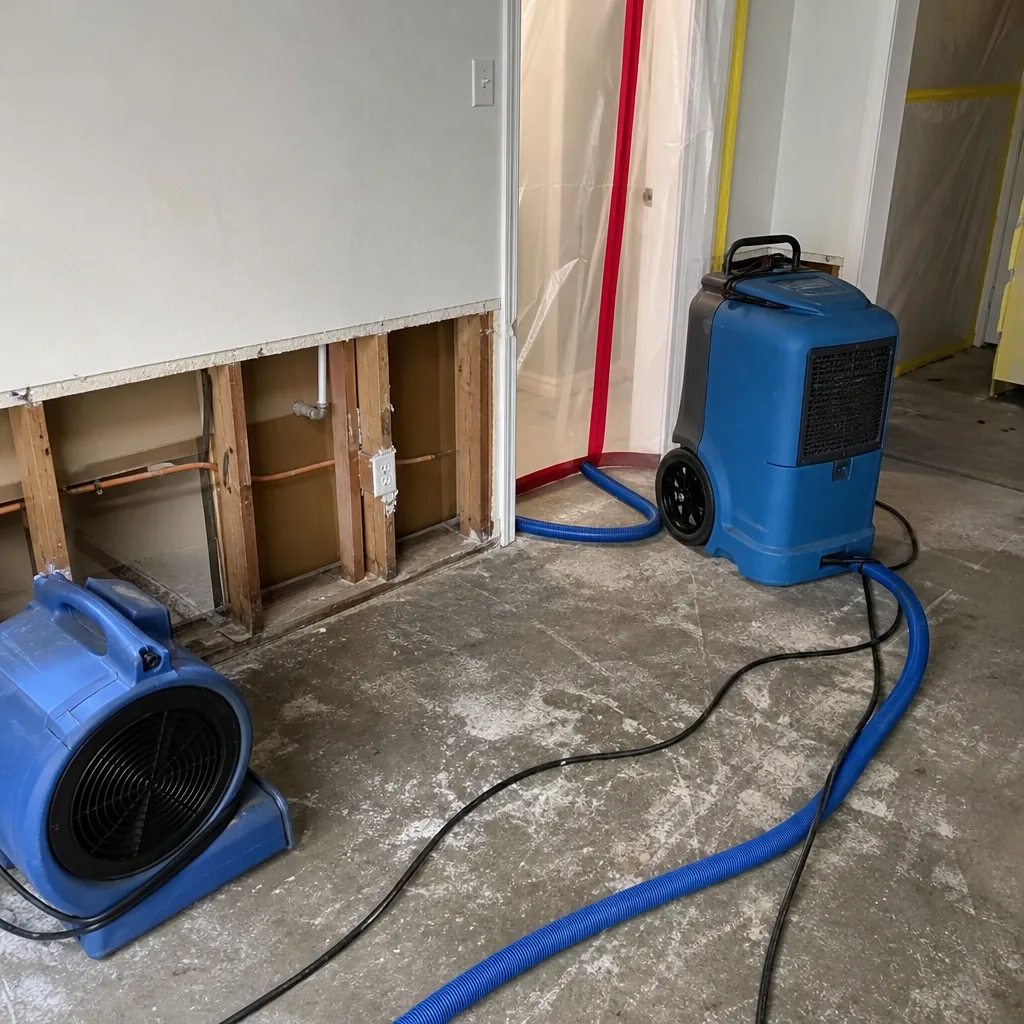
If water has been present for less than 48 hours and the affected area is small and fully accessible, you may be able to dry it with fans and a dehumidifier-see our DIY vs Professional Damage Restoration guide to decide which path fits your situation. Beyond that window in Houston’s climate, or if the water came from sewage, a toilet overflow, or flood water, you need professional remediation. The difference is that professional drying crews use equipment like Dri-Eaz dehumidifiers and Phoenix air movers to dry the inside of wall cavities and subflooring, not just the visible surface. Surface drying leaves moisture trapped behind drywall, and mold follows.
You always remain in control of your claim, but you can authorize a restoration company to communicate directly with your adjuster. At Dryden Restoration Houston, we provide the adjuster with the written scope, moisture readings, and photo documentation for every job. That documentation is part of the file we build for every project, and it follows IICRC, RIA, and IFA documentation standards that insurance professionals recognize.
Every repair Dryden Restoration Houston completes includes a written 365-Day Done Right Promise. If any covered repair fails within one full year, we come back and make it right at no additional charge. It’s not a verbal promise, it’s written on every job. The specific covered items are spelled out in the written scope before any work begins, and if something goes wrong inside the guarantee period, you call us and we schedule a return visit at zero cost to you.
The Bottom Line
Houston’s climate makes water damage warning signs faster to develop and easier to miss than in drier parts of the country. The best defense is a monthly five-minute walk-through, focused on the specific locations in this guide: attic decking, bathroom floors, under-sink cabinets, the slab perimeter, HVAC drain pans, and the exterior walls where efflorescence tells a story. For year-round protection, follow our Seasonal Damage Restoration Care for Houston checklist. Learn the sequence of signs, know the difference between mold odor and Houston mustiness, and act when you see two or more warning signs in the same room. The faster you respond, the smaller the repair. Dryden Restoration Houston has served the Houston area since 2005, and we’re a phone call away at (254) 277-4577 for a free estimate. If you suspect water damage, the visit is free, the price is in writing before work begins, and the guarantee is written too.
Written by Carl Brandt, Owner at Dryden Restoration Houston, serving Houston since 2005. Explore more guides & resources from our team.
See the difference
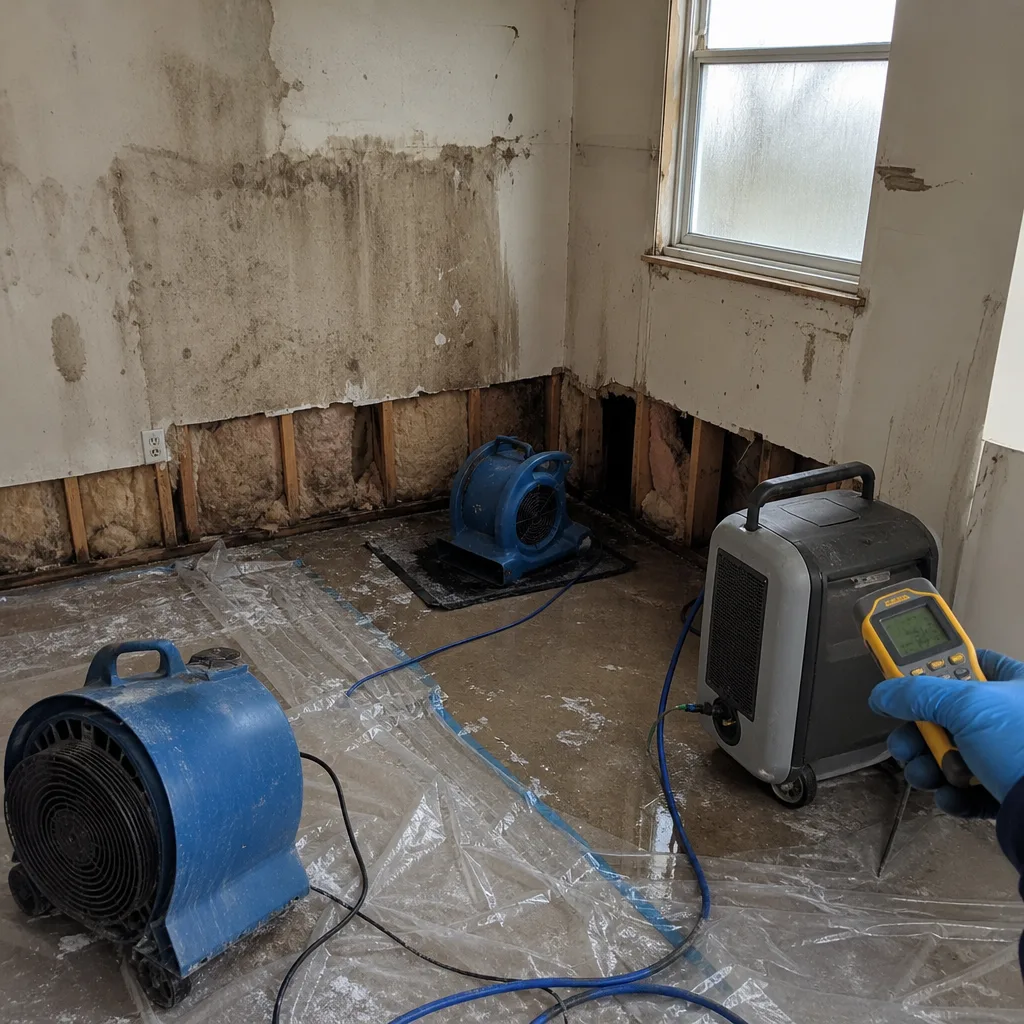 Before
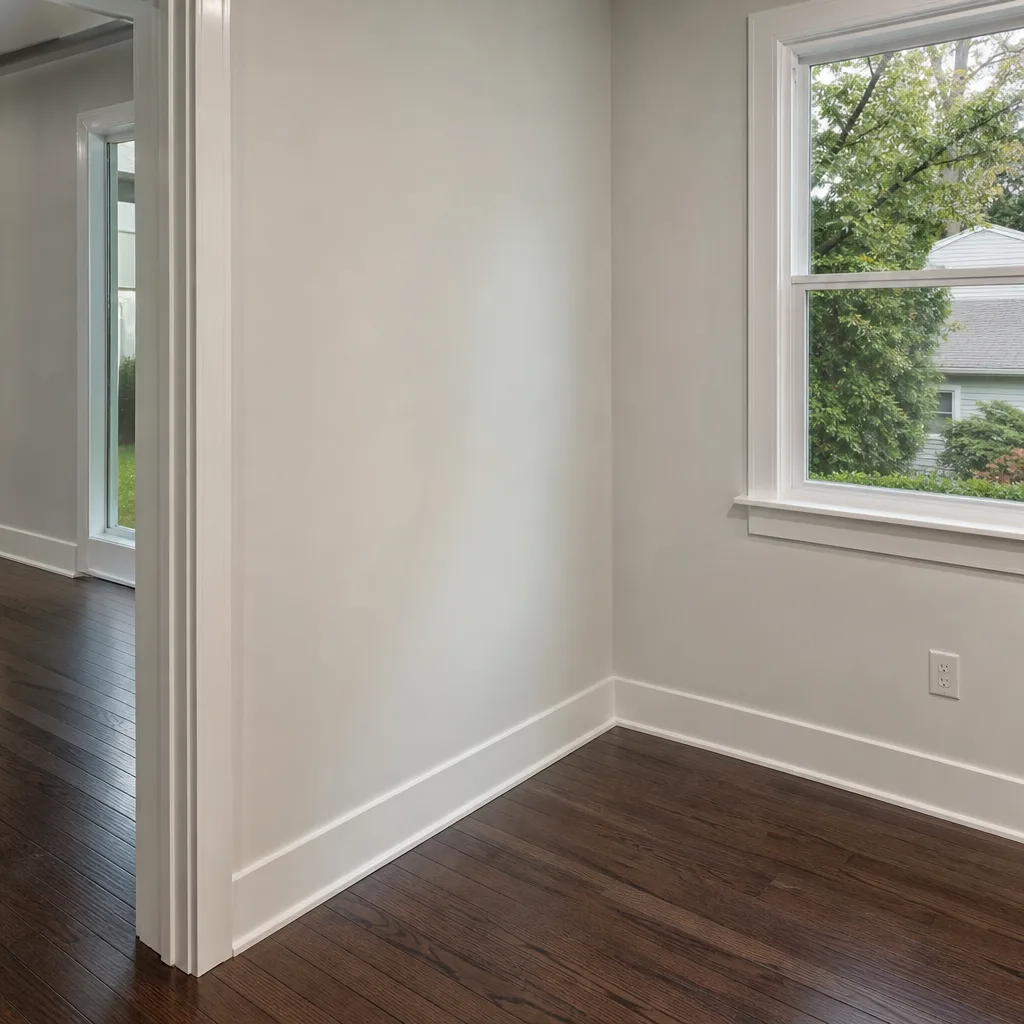 After
After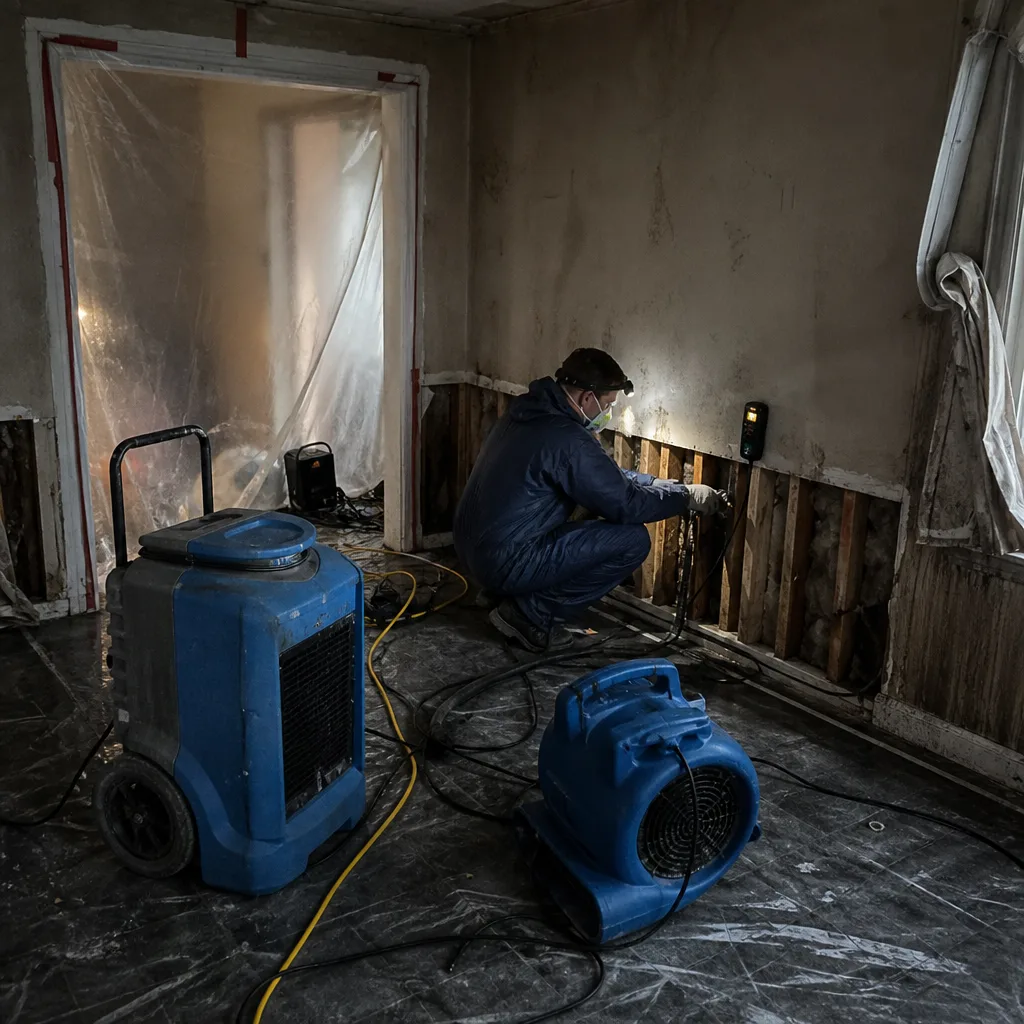 Before
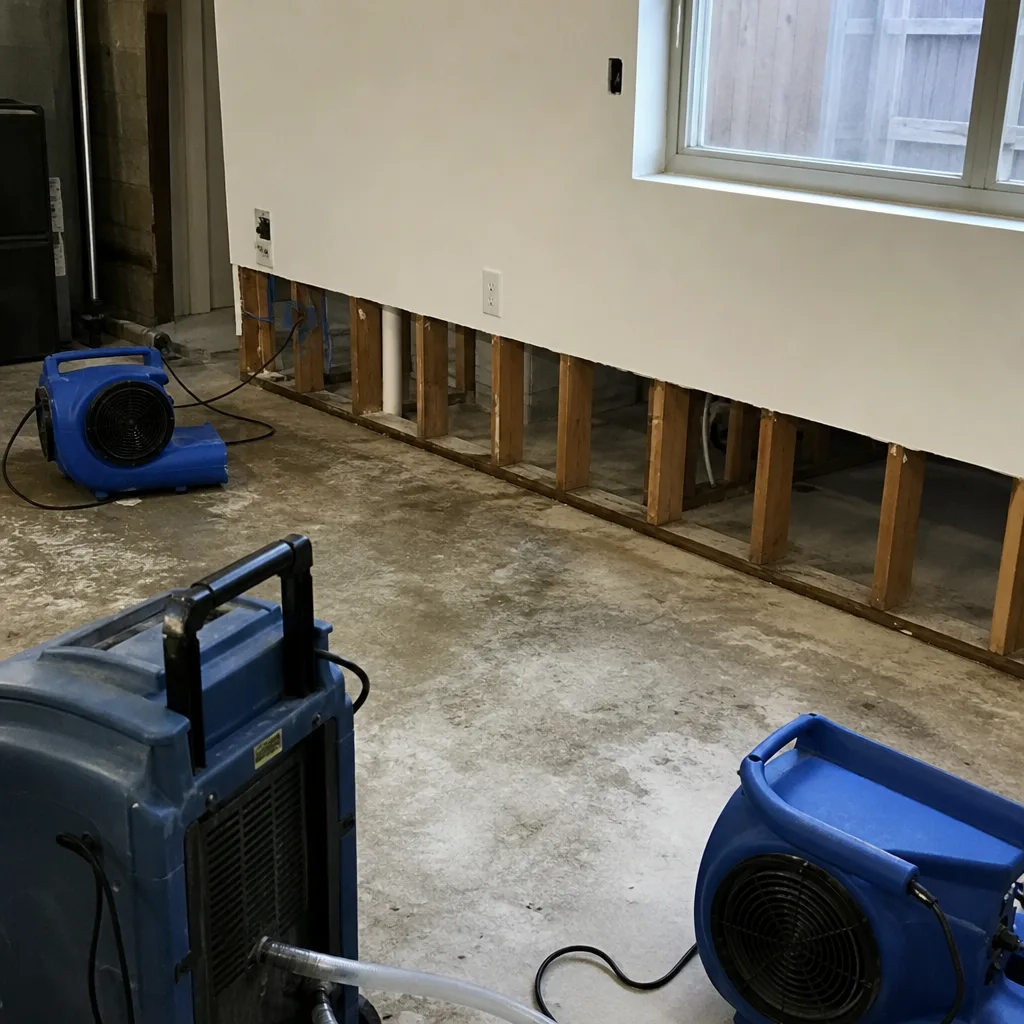 After
After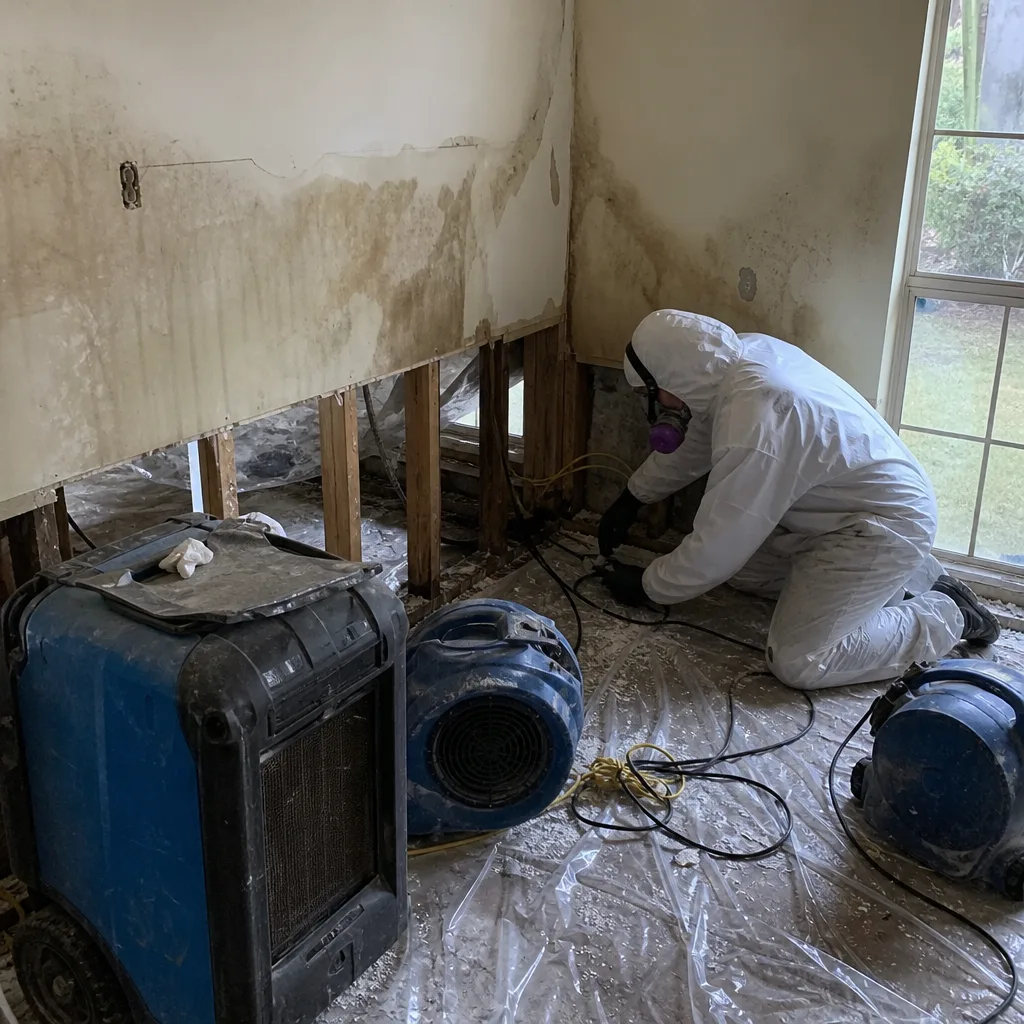 Before
 After
After