
Last updated October 16, 2026
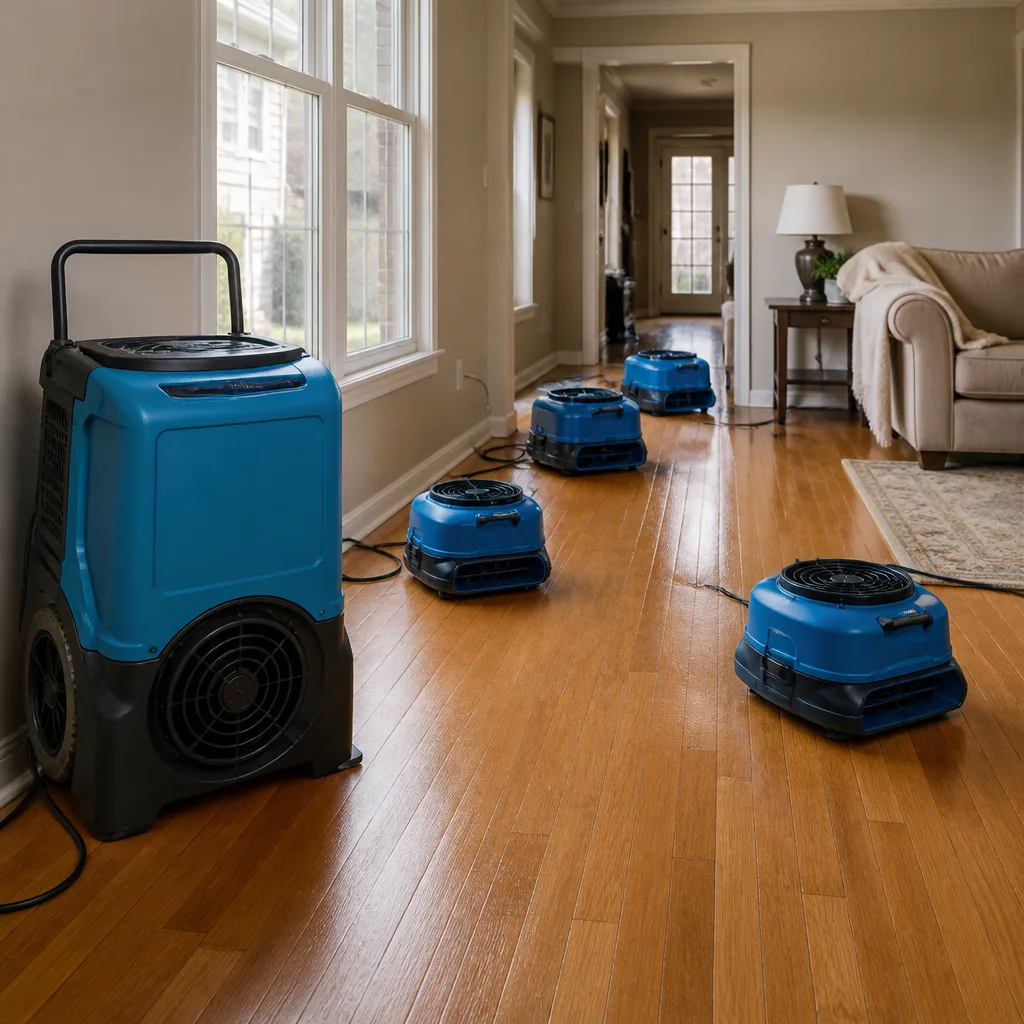 Water damage drying
 Fire & smoke cleanup
 Mold remediation
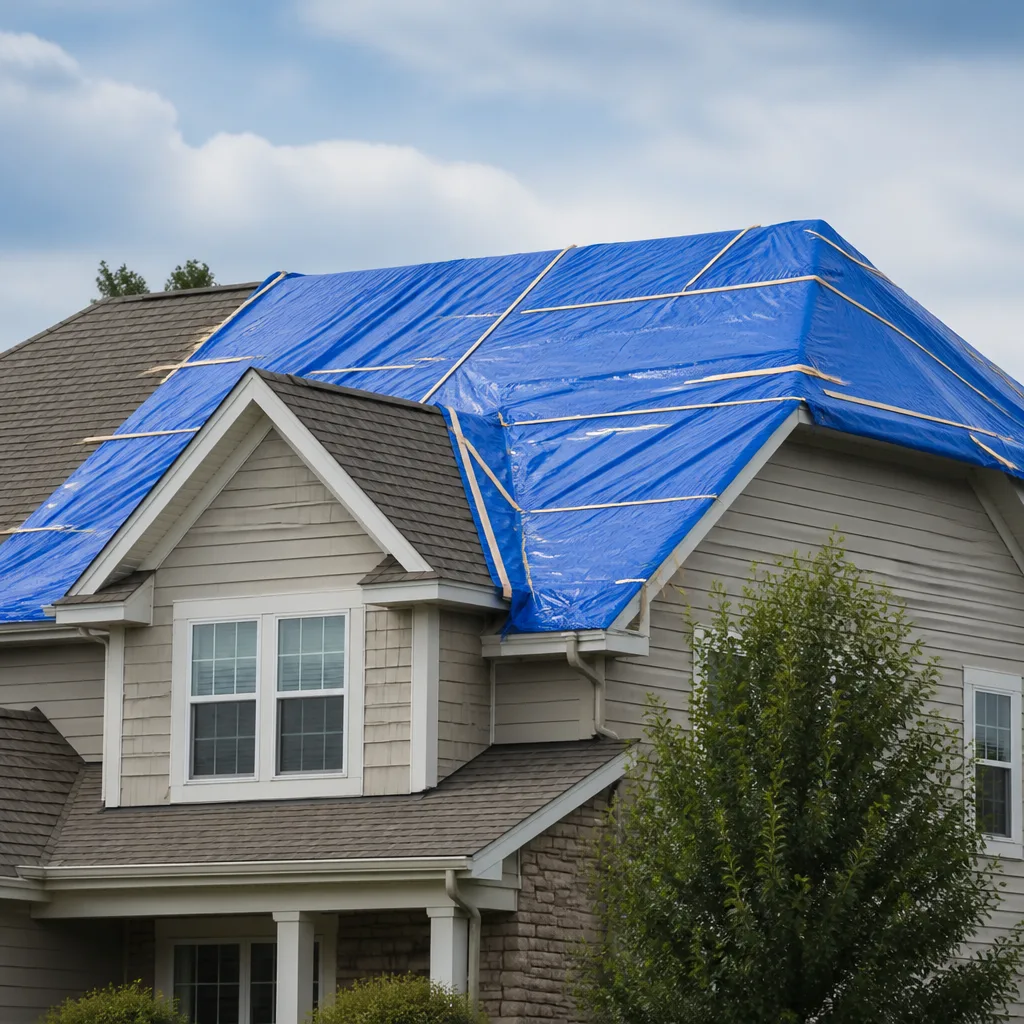 Storm response
 Sewage cleanup
 Reconstruction
Free visual inspection and a written scope of work before any mitigation begins - photos, moisture readings, and drying logs go in your claim file
The scope we write is the scope we bill. Anything new gets shown to you, in writing, before we touch it.
Get your free estimateThe Complete Guide to Damage Restoration in Houston
Houston files more flood insurance claims than any city in the country, yet most damage restoration guides read like they were written for Phoenix or Denver. They don’t mention what happens when Beaumont clay soil swells against a slab foundation after a pipe bursts, or why a Category 3 hurricane window closes faster here than anywhere else in Texas. This guide and our more guides & resources won’t make that mistake. We’re going to walk through every restoration category Houston homeowners actually face, map each one to the city’s specific soil, climate, and flood zone conditions, and give you the real numbers and timelines you need before a contractor ever shows up. When you finish reading, you’ll know exactly what questions to ask, what a fair price looks like, and which problems demand immediate action versus which ones can wait until morning.
Quick Answer
Damage restoration in Houston typically costs $2,500 to $15,000 depending on the damage category, with water extraction and drying running $1,800 to $4,500, mold remediation $1,500 to $6,000, and full fire restoration $5,000 to $40,000 or more, as detailed in our Damage Restoration Cost Breakdown: The Houston Homeowner’s Reference for 2026. Houston’s 100% humidity baseline and expansive clay soil mean the restoration window here is tighter than in drier cities: mold becomes established in 24 to 72 hours, and structural damage accelerates faster when slab foundations sit in standing water. The right sequence is always extraction, drying, testing, remediation, then rebuild, and the right partner is a licensed, insured restoration company that puts its price in writing before any work begins.
Restoration work we handle
Table of Contents
- Why Houston’s Soil and Climate Change the Restoration Playbook
- Water Damage Restoration in Houston: The Most Common Claim
- Mold Remediation in Houston: The Humidity Problem
- Fire Damage Restoration: What Houston Homeowners Face
- The Restoration Sequence: Extraction to Rebuild, Phase by Phase
- How FEMA Flood Zones in Harris County Affect Your Restoration
- What Each Phase Costs in Houston: Real Numbers
- Common Mistakes to Avoid
- When to Call a Professional
- Frequently Asked Questions
Why Houston’s Soil and Climate Change the Restoration Playbook
Houston sits on a specific type of expansive clay called Beaumont clay, and it behaves differently than the soil in almost any other major American city. When Beaumont clay gets wet, it swells. When it dries, it shrinks. This swelling and shrinking cycle puts constant, uneven pressure on slab foundations. A pipe leak under your kitchen floor isn’t just a water problem here. Over 30 to 60 days, the water-saturated clay around the slab can lift one corner of your foundation while the rest stays put, which is how you get cracks in drywall, doors that suddenly won’t latch, and tile that pops loose. National restoration guides skip this. In Houston, it’s often the first thing we look for.
The humidity baseline matters just as much. Houston’s average relative humidity, what the trade calls RH, sits around 75% to 100% for most of the year. In a dry climate, wet drywall might air-dry in a matter of days once the standing water is gone. Here, it won’t. The air itself is too saturated to absorb much more moisture. That’s why professional restoration crews in Houston rely on psychrometric drying, which is a way of calculating exactly how much moisture is in the air and in the materials so we can engineer the drying process with the right equipment. You can’t just point a box fan at a wet wall in Houston and expect it to dry. The math doesn’t work.
This is also why we follow IICRC standards, which are the restoration industry’s recognized benchmarks for water damage work. The IICRC’s S500 standard tells us how to dry a structure properly in high-humidity climates. It’s not a marketing credential. It’s a set of procedures that determine how many air movers and dehumidifiers a space needs based on the size of the affected area and the moisture content of the materials. When a contractor skips this calculation, the result is what we call a “dry to the touch” job: the surface feels dry, but the wall cavity behind it is still holding 25% moisture. In Houston’s climate, that hidden moisture becomes mold, often within 48 hours. It’s the single most common cause of repeat restoration work we see.
Water Damage Restoration in Houston: The Most Common Claim
Water damage is the claim Houston homeowners file most often, and it comes from a wider variety of sources than people expect. There’s the obvious: tropical storms and hurricanes that dump 10 to 20 inches of rain in a single event. But there’s also the less obvious: a busted supply line under a sink, a water heater that fails in the garage, an HVAC condensate line that clogs and drips into a ceiling cavity for weeks before anyone notices, and foundation seepage that lets groundwater in through cracks in the slab during heavy rain. Each source requires a different response, and the cost varies dramatically. You can explore the full breakdown in our dedicated guide to water damage restoration in Houston.
The first 24 hours after water intrusion are the most important. Here’s what should happen, in order:
- Stop the source. If it’s a supply line, shut off the water at the fixture or the main. If it’s storm water, wait until conditions are safe to assess.
- Remove standing water. Professional extraction equipment pulls water out far faster than a shop vac. In a typical 2,000 square foot home with 1 to 3 inches of standing water, extraction takes 2 to 4 hours.
- Start drying immediately. In Houston’s humidity, you cannot wait until morning. Air movers and industrial dehumidifiers need to be running within hours, not days.
- Document everything. Photographs of the damage, the water level, and the affected materials matter for insurance claims. If you’re working with a restoration company, the team should do this as part of their process.
The timeline matters because of how quickly mold moves in Houston. In a 50% humidity environment, mold spores need about 5 to 7 days to establish on wet drywall. In Houston’s 100% humidity, that window closes to 24 to 72 hours. We’ve seen mold blooming on baseboards 36 hours after a toilet overflow, because the indoor humidity was already at 70% before the water ever showed up. This is why we run Dri-Eaz and Phoenix dehumidifiers on water jobs, not residential units: the professional-grade machines remove 20 to 30 gallons of water from the air per day, where a home unit might pull 3 to 5. The difference is the difference between a dried-out wall cavity and a hidden mold colony.
One Houston-specific note: if water has been sitting against a slab foundation for more than 48 hours, the clay soil underneath is already swelling. The visible water damage is level one. The foundation stress is level two. We tell every homeowner in this situation to have a foundation professional assess the slab after the interior is dried. It’s not something a standard restoration crew can diagnose from the surface, but it’s a real concern in this city that most national guides completely miss.
Mold Remediation in Houston: The Humidity Problem
Mold in Houston is not a rare event. It’s a year-round reality in tens of thousands of homes, and it only takes three things: moisture, organic material (drywall, wood, carpet), and time. Houston supplies all three, year-round. The most common places we find mold are bathrooms with poor exhaust fans, HVAC closets where condensation drips onto drywall, behind refrigerators where the ice maker line weeps, and inside wall cavities that got wet during a storm and were never properly dried. Our full mold remediation in Houston guide breaks down the process in detail, but here’s the essential overview.
Remediation is not the same thing as cleaning. Cleaning removes visible mold from surfaces. Remediation removes the mold and the conditions that allowed it to grow, which often means removing contaminated drywall, treating the framing behind it with an antimicrobial, and installing better moisture controls so it doesn’t come back. In Houston, half-measures fail fast. We’ve walked into homes where a “handyman” sprayed bleach on a moldy wall, painted over it, and the homeowner called us six weeks later because the paint was bubbling and the mold had spread through the entire wall cavity. Bleach doesn’t kill mold on porous surfaces. It bleaches the color out and leaves the roots alive.
A proper Houston mold job typically follows this sequence:
- Containment. The affected area is sealed off with plastic sheeting and negative air pressure so spores don’t spread to the rest of the house during removal.
- Source identification. We find where the moisture is coming from. If the source isn’t fixed, remediation is pointless. This is the step most DIY efforts skip.
- Contaminated material removal. Drywall, insulation, and carpet that are colonized get cut out and bagged for disposal. This is not a cleaning step; it’s a removal step.
- Surface treatment. Remaining framing and studs are treated with an antimicrobial to kill residual spores.
- Drying and verification. The area is dried to below acceptable moisture levels, typically 14% moisture content or less in wood, and a post-remediation assessment confirms the spore counts are back to normal background levels.
Here’s what homeowners need to understand about Houston specifically: post-remediation testing matters more here than in drier cities. If the spore count inside your home after remediation is higher than the count outside, the job isn’t done. We use third-party testing after completed remediation jobs in Houston because the ambient mold load in the air is already high. A “clean” room in Houston still has spores floating in it. The goal is to get indoor levels back to typical Houston outdoor levels, not to create a sterile environment that can never exist in this climate.
Fire Damage Restoration: What Houston Homeowners Face
Fire restoration in Houston is less common than water and mold work, but it’s the most complex job in the restoration industry when it does happen. A kitchen grease fire, an electrical fire, or a lightning strike during a summer thunderstorm can cause direct flame damage in one area and smoke and soot damage throughout the entire house, even in rooms the fire never touched. Smoke particles are microscopic and get pushed through HVAC systems, into closets, and into wall cavities. The visible fire damage is often only 10% of the actual damage. For a deeper look at the process, see our guide to fire damage restoration in Houston.
The restoration sequence for fire is different from water. The first priority is stabilizing the structure and boarding up any openings. The second is removing standing water from firefighting efforts, because fire hoses dump hundreds of gallons into a structure and that water starts growing mold in Houston’s heat within days. The third is soot and smoke removal, which requires specialized equipment and cleaning agents, not standard household cleaners. Smoke residue is acidic and will etch glass, corrode metal fixtures, and stain painted surfaces if it isn’t neutralized quickly.
One thing most Houston homeowners don’t know: smoke damage in a humid climate is worse than in a dry one. Soot particles bond with moisture in the air, which makes them stickier and harder to remove from porous surfaces like drywall and upholstery. A fire that happens during a humid August week in Houston creates a different, more stubborn residue profile than the same fire in El Paso. This is why fire restoration timelines in Houston run 2 to 4 weeks on average, whereas the national average is closer to 1 to 3. The humidity adds a full week of work.
The Restoration Sequence: Extraction to Rebuild, Phase by Phase
Understanding the full restoration sequence helps homeowners understand what they’re paying for and why each phase matters. Skipping a phase almost guarantees the problem comes back. Here’s the five-phase sequence as we run it at Dryden Restoration Houston:
Phase 1: Extraction
This is the removal of standing water from the affected area. In a typical Houston home, extraction takes 2 to 6 hours using professional-grade extraction equipment. Cost in Houston: $500 to $1,500 for most single-room jobs, $2,000 to $5,000 for whole-home flooding. This is the phase where speed matters most. The longer water sits, the more it wicks up into drywall and the more the clay soil under the slab reacts.
Phase 2: Drying
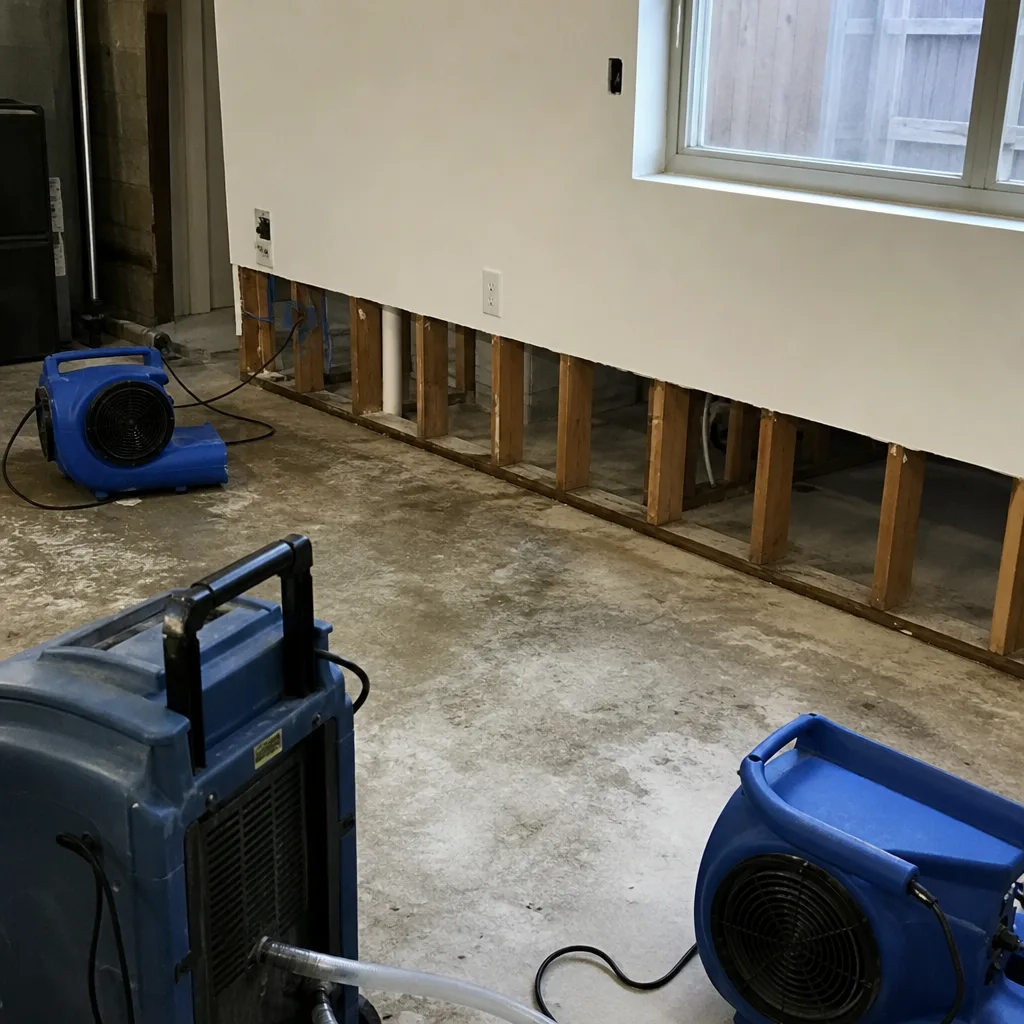
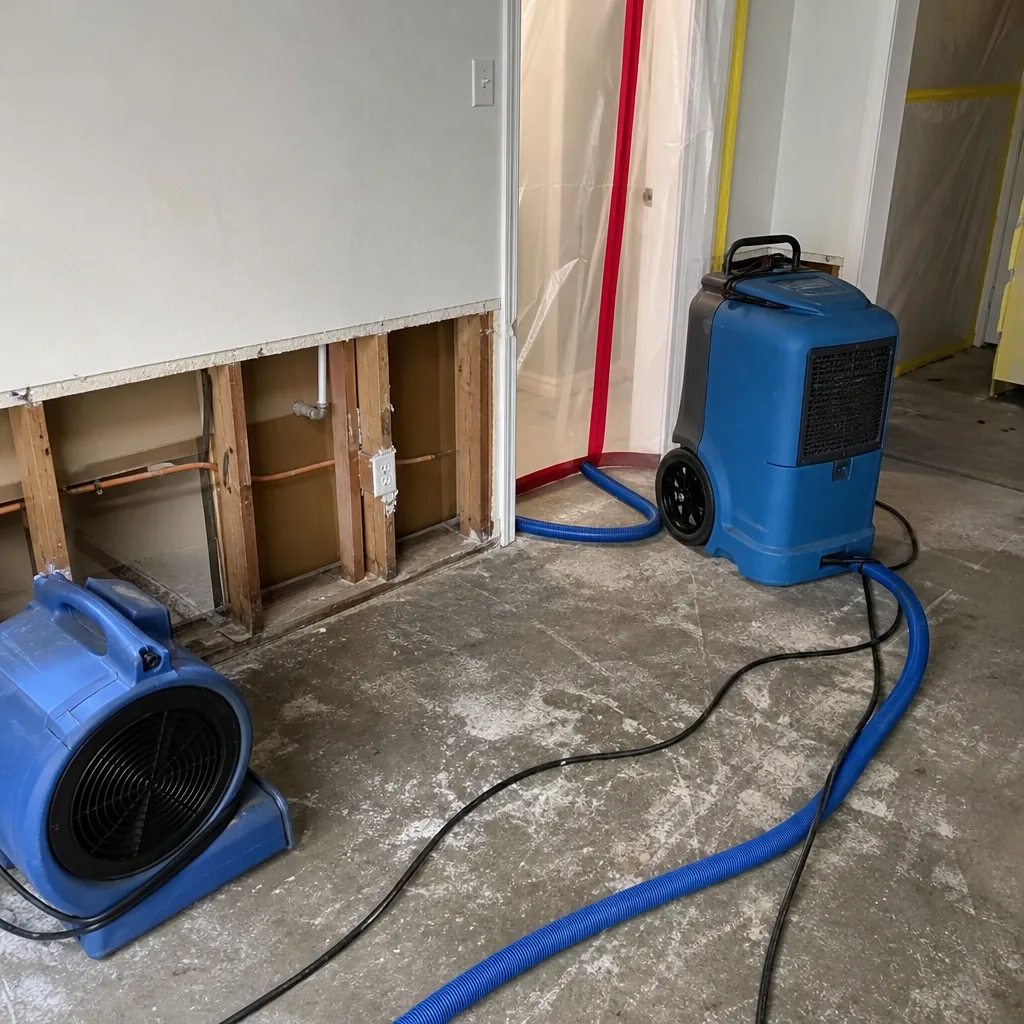
Drying is a controlled, engineered process, not passive air drying. We use air movers to create airflow across wet surfaces and dehumidifiers to pull moisture out of the air so the materials release more. In Houston’s humidity, this phase runs 3 to 7 days for most water jobs, longer if the water penetrated wall cavities or under flooring. Cost: $1,000 to $3,000 for a typical single-room job, plus the electricity usage. We use Dri-Eaz and Phoenix dehumidifiers, the same equipment used on large commercial restoration jobs, because residential units cannot keep up with Houston’s ambient humidity levels.
Phase 3: Testing
After drying, we verify moisture levels with moisture meters. Wood should read 14% or less. Drywall should read below 5%. If the numbers aren’t there, we keep drying. If mold is suspected, we recommend third-party air sampling to confirm spore counts before and after remediation. In Houston, this step is non-negotiable for any water job that sat for more than 48 hours. Testing cost: $250 to $750 for moisture verification, $400 to $1,200 for mold sampling.
Phase 4: Remediation
Remediation is the removal of contaminated material and the treatment of what remains. For mold jobs, this means cutting out colonized drywall and treating the framing. For water jobs, it means removing saturated, unsalvageable materials like carpet pad and damaged drywall. Cost in Houston: $1,500 to $6,000 for typical residential mold remediation, $1,000 to $4,000 for water-related material removal. The range is wide because the scope depends on how far the damage spread and how long it was left untreated.
Phase 5: Rebuild
Rebuild is the restoration of the home to pre-loss condition. This includes drywall replacement, painting, flooring, trim, and any structural repairs. This phase runs from a few days for minor repairs to several weeks for whole-room rebuilds. Cost varies widely based on materials and scope, but a typical Houston water damage rebuild runs $3,000 to $15,000, and fire rebuilds can run $20,000 to $80,000 or more depending on the size of the loss. This is where insurance coverage matters most, and we’ll cover that below.
How FEMA Flood Zones in Harris County Affect Your Restoration
Harris County’s flood zone map is a patchwork of designations that directly affects what your insurance will pay for after a water event. Understanding your zone before a disaster happens is the single most useful piece of pre-restoration homework you can do. Here’s the plain-English breakdown:
- Zone AE: The high-risk zone. These areas have a 1% annual chance of flooding and are subject to mandatory flood insurance requirements if you have a federally-backed mortgage. If your home sits in Zone AE and you have flood insurance through the National Flood Insurance Program, your restoration work after a flood event is typically covered, but there are strict documentation requirements.
- Zone X (unshaded): The moderate-to-low-risk zone. Flood insurance is optional, but Houston’s drainage realities mean thousands of Zone X homes still flood during major events. If you don’t have flood insurance and your home is in Zone X, your water restoration costs after a storm are out of pocket unless you can demonstrate the water came from a covered peril like a burst pipe.
- Zone VE: The coastal high-risk zone, found in areas near Galveston Bay and the ship channel. These zones carry the highest flood insurance premiums and the strictest building requirements.
The insurance reality matters for restoration decisions. If your water damage came from a burst pipe inside the home, most homeowners policies cover the restoration work. If it came from rising storm water, flood insurance is required, and standard homeowners policies exclude it. We work with homeowners and adjusters in Houston every week, and the most common insurance mistake we see is waiting too long to document the damage, often because they didn’t know the Damage Restoration Permits, Codes & Inspections in TX: What You Need to Know. The second most common is accepting the adjuster’s first number without an independent restoration estimate. Photo documentation of the water level, the affected materials, and the moisture readings before any work begins makes a material difference in the claim outcome.
What Each Phase Costs in Houston: Real Numbers
Here’s a direct, structured breakdown of what homeowners in Houston should expect to pay for damage restoration work. These are the real ranges we see in the Houston market, not national averages that skew low:
- Water extraction and drying (single room): $1,800 to $4,500 including equipment placement, monitoring, and removal, based on professional-grade drying equipment rather than residential fans.
- Whole-home water restoration (Category 1 clean water, typical 2,000 sq ft home): $4,000 to $12,000 depending on how far the water traveled and how long it sat.
- Mold remediation (single bathroom or closet): $1,500 to $4,000 including containment, material removal, treatment, and post-remediation testing.
- Whole-home mold remediation (extensive HVAC-related spread): $5,000 to $18,000 when mold has spread through multiple rooms or ductwork.
- Fire restoration (kitchen fire, typical): $8,000 to $30,000 including soot removal, deodorization, and rebuild. Larger fires scale from there.
- Foundation-related water damage assessment: $300 to $800 for a structural inspection when clay soil swelling is suspected.
These numbers are not quotes. Every home is different, and the scope is the only way to get a real number. But having a range before you call is the difference between negotiating from a position of knowledge and negotiating from a position of panic. At Dryden Restoration Houston, we put our price in writing before any work begins. That’s not a sales gesture. It’s how we protect homeowners from the budget inflation that has burned too many people in this city. The number we give is the number you pay, and if a covered repair fails within a year, our 365-Day Done Right Promise puts it in writing that we’ll come back and fix it at no charge.
Common Mistakes to Avoid
- Waiting until morning to call about standing water. In Houston’s humidity, 12 hours is enough for mold to start on damp drywall. The 24 to 72 hour window is well documented, but in practice we’ve seen colonization start faster in homes with existing high humidity.
- Using residential fans and a home dehumidifier to dry a flooded room. Houston’s ambient humidity overwhelms residential equipment. Professional drying requires air movers and industrial dehumidifiers that pull 20 to 30 gallons a day, not 3 to 5.
- Painting over mold instead of removing it. Mold on drywall is rooted in the paper facing, not on the surface. Painting over it seals the spores in, and the mold continues to grow inside the wall cavity. We see this in Houston constantly.
- Assuming homeowners insurance covers flood water. It doesn’t. Rising storm water requires flood insurance. Confusing the two before a major storm leaves thousands of Houston homeowners with uncovered damage.
- Ignoring slab foundation symptoms after water damage. Cracks, sticking doors, and popping tiles after a water event in Houston aren’t cosmetic. They can signal clay soil expansion that requires foundation assessment.
- Not documenting the damage before cleanup starts. Insurance claims depend on evidence. Photograph everything before the first fan gets set up, and make sure your restoration company is documenting moisture readings throughout the process.
- Hiring a contractor who won’t put a price in writing. If the number changes at the door, you’re dealing with a pricing model built on pressure, not a scope of work. Get the price in writing before any tool is touched.
When to Call a Professional
Some situations allow for a wait-and-see approach. These don’t. Call a restoration professional immediately if you have standing water that has been present for more than a few hours, water that has wicked into walls or under flooring, any visible mold growth larger than a dinner plate, a sewage backup of any size, or fire damage of any kind, including smoke and soot throughout the home. All of these situations get worse with time, and in Houston’s climate, the timeline is shorter than anywhere else in Texas, so watch for the Damage Restoration Warning Signs: A Houston Homeowner’s Reference Guide. Dryden Restoration Houston offers free estimates for homeowners throughout Houston, and our team answers every call live, 24 hours a day, at (254) 277-4577. We’ll tell you honestly whether the problem needs immediate attention or whether it can wait until a scheduled appointment, because the right advice shouldn’t depend on our availability.
Frequently Asked Questions
In Houston’s high-humidity climate, mold can establish on wet drywall in 24 to 72 hours, significantly faster than the 5 to 7 days typical in drier climates. The key factor is that Houston’s indoor humidity is often already above 60%, which means the materials never get a chance to dry passively. If you have standing water, start professional drying within hours, not days. Call (254) 277-4577 for same-day assessment in Houston.
Coverage depends on the water source. Sudden, accidental events like a burst pipe or water heater failure are typically covered under standard homeowners policies. Rising flood water from a storm is excluded unless you have separate flood insurance through NFIP or a private carrier. The best move is to document everything and work with a restoration company that coordinates directly with adjusters. Estimates from Dryden Restoration Houston are free, and we provide the documentation adjusters need.
The 365-Day Done Right Promise is our written guarantee that if any covered repair fails within one full year, we come back and make it right at no charge. It’s part of The Kingswell Guarantee, which also includes a written price before work begins, a committed arrival window, and a clean job site. The promise is documented on every job, never verbal.
Extraction takes 2 to 6 hours for most single-room jobs, drying runs 3 to 7 days in Houston’s humidity, and rebuild work varies from a few days for minor repairs to several weeks for whole-room replacement. Every project includes moisture verification before equipment is removed, so you’re not guessing whether the walls are actually dry.
Three things: expansive Beaumont clay soil that swells against slab foundations, a 75% to 100% humidity baseline that accelerates mold growth, and a flood zone map that makes insurance coverage complicated. Restoration work in Houston has to account for all three, which is why we follow IICRC, RIA, and IFA standards and use professional-grade Dri-Eaz, Phoenix, and XPOWER equipment rather than residential alternatives.
In Houston, yes. The outdoor mold spore count is already high, and the only way to verify that indoor levels have been brought back to normal is with post-remediation testing. We recommend third-party sampling after completed remediation work, so the test results come from an independent source, not the company that did the work.
The Bottom Line
Houston damage restoration is a different animal than restoration anywhere else in the country, and treating it as generic is how homeowners end up with recurring problems. The clay soil under your slab, the humidity in your air, and the flood zone designation on your property all shape what the right restoration looks like and what it costs. The sequence doesn’t change: extract, dry, test, remediate, rebuild. But the urgency is higher here, the equipment has to be better, and the documentation has to be sharper. If you’re facing water, mold, or fire damage in Houston, call Dryden Restoration Houston at (254) 277-4577 for a free estimate and a written price before any work begins. Our team answers live, 24 hours a day, and we’ll walk you through exactly what you’re dealing with and what it will take to make it right.
Written by Carl Brandt, Owner at Dryden Restoration Houston, serving Houston since 2005.
See the difference
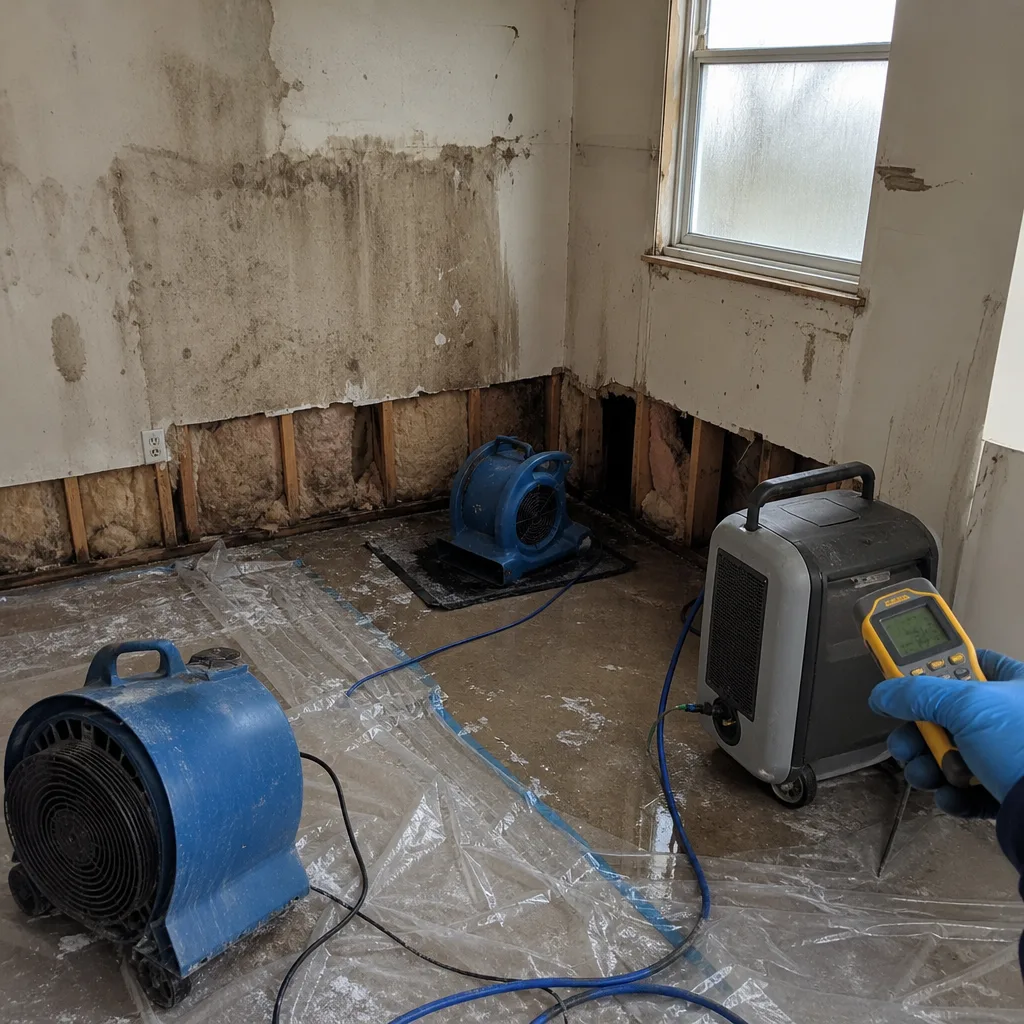 Before
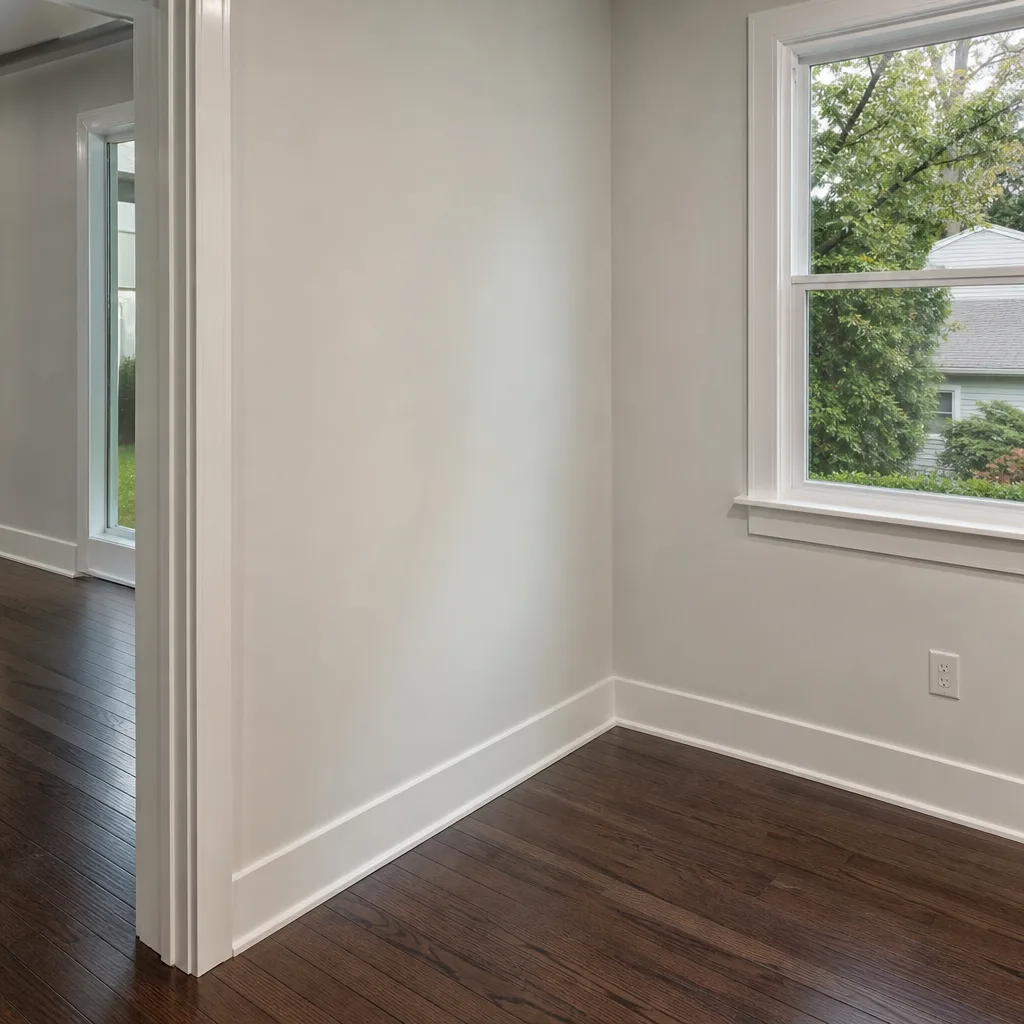 After
After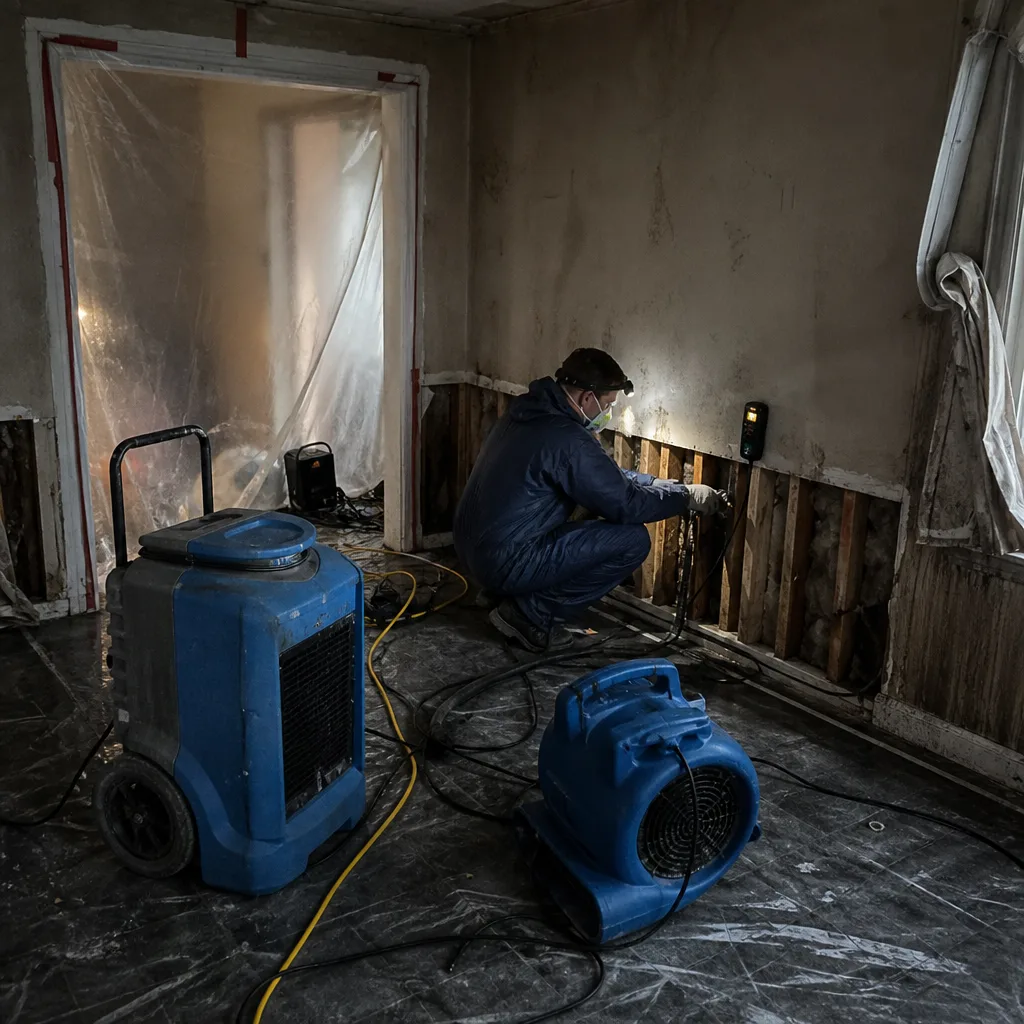 Before
 After
After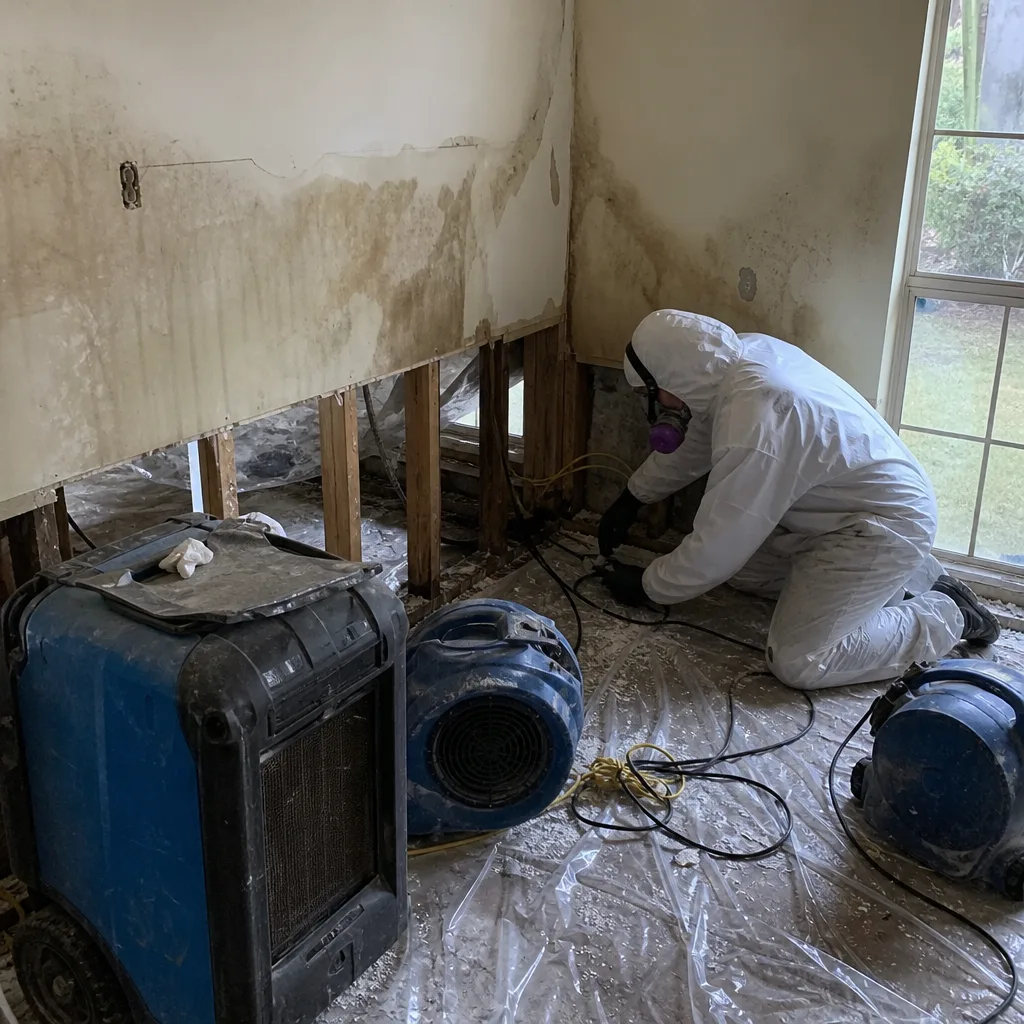 Before
 After
After