
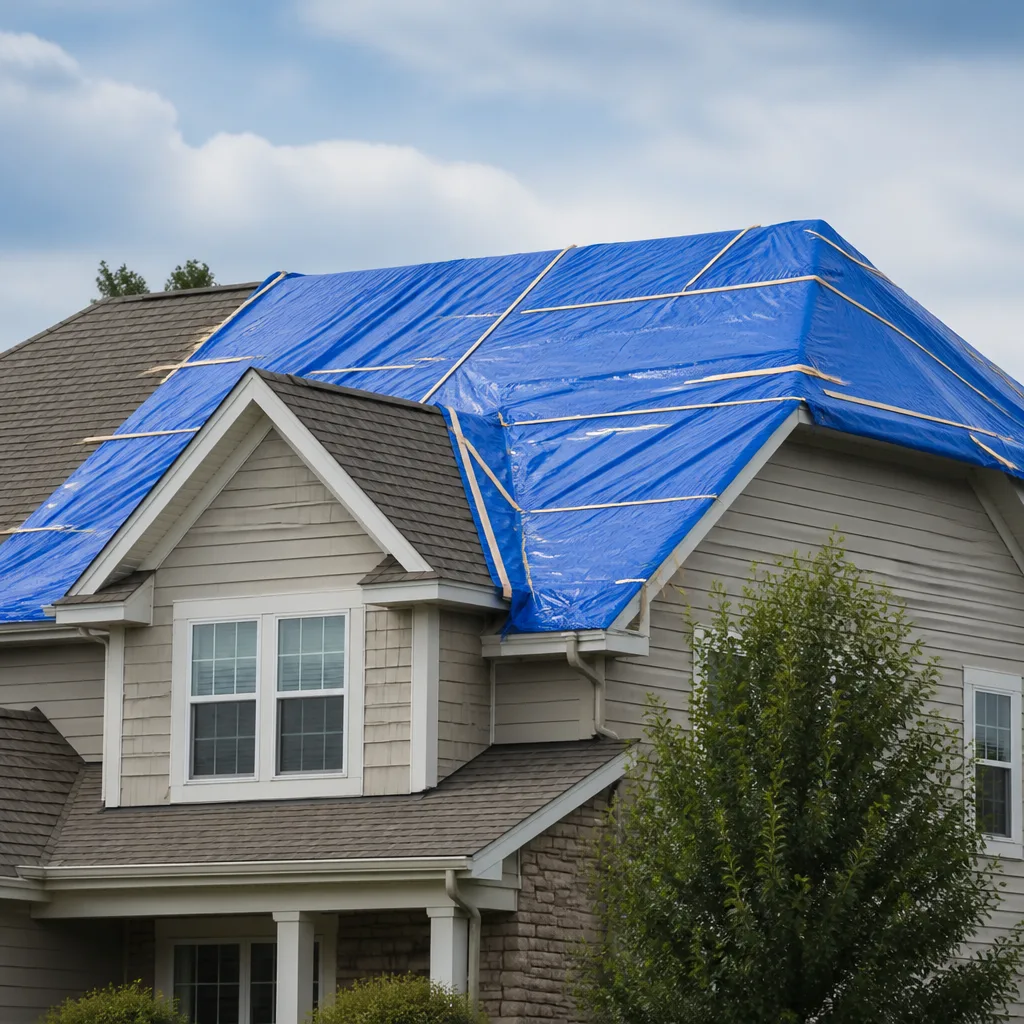
 Storm response
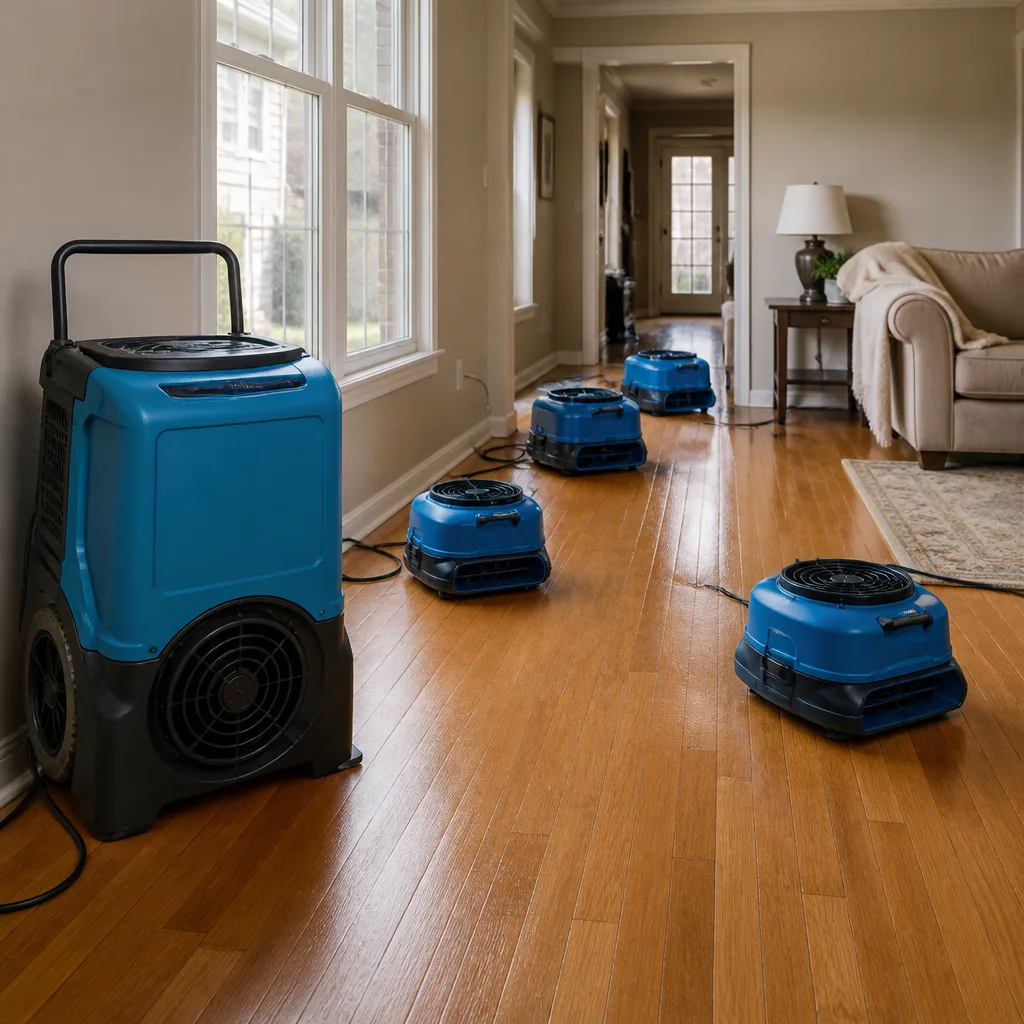 Water damage drying
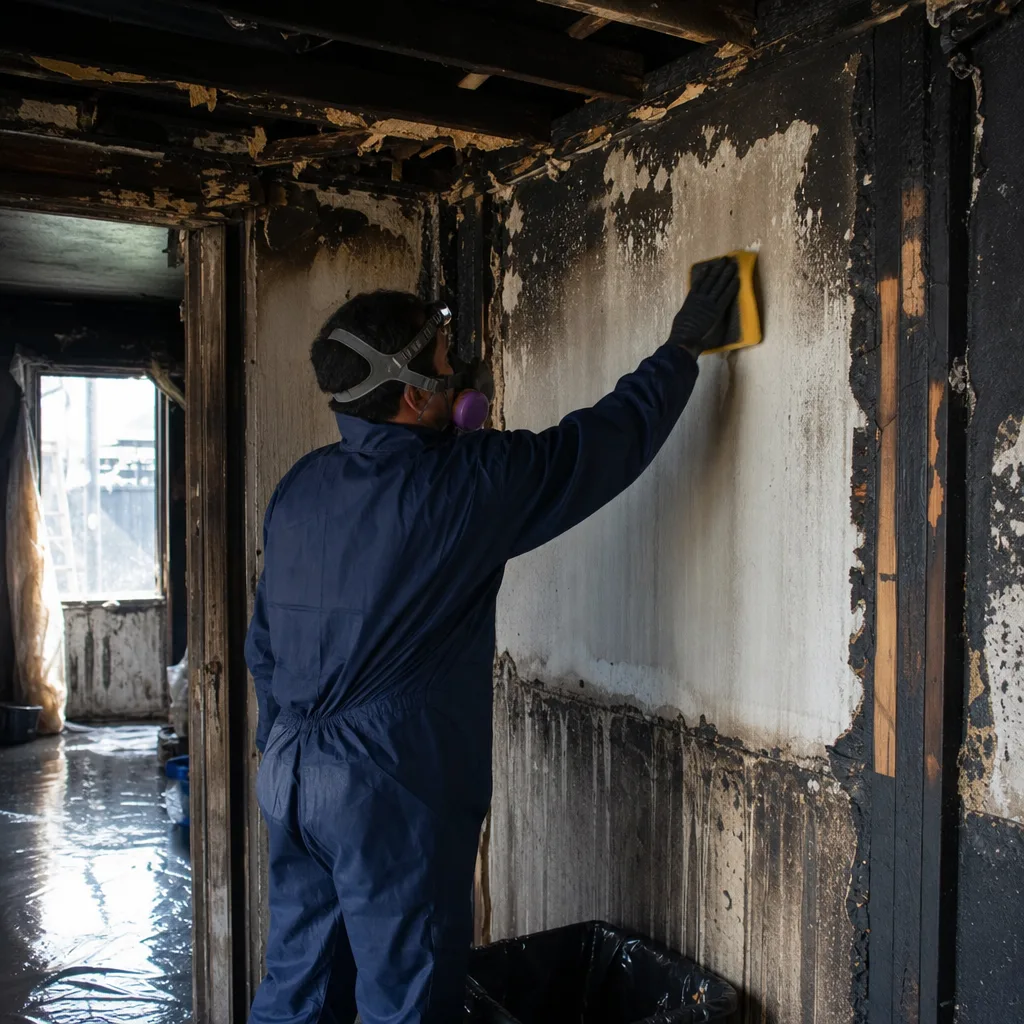
 Fire & smoke cleanup
 Mold remediation
 Sewage cleanup
 Reconstruction
Free visual inspection and a written scope of work before any mitigation begins - photos, moisture readings, and drying logs go in your claim file
The scope we write is the scope we bill. Anything new gets shown to you, in writing, before we touch it.
Get your free estimateRestoration work we handle
See the difference
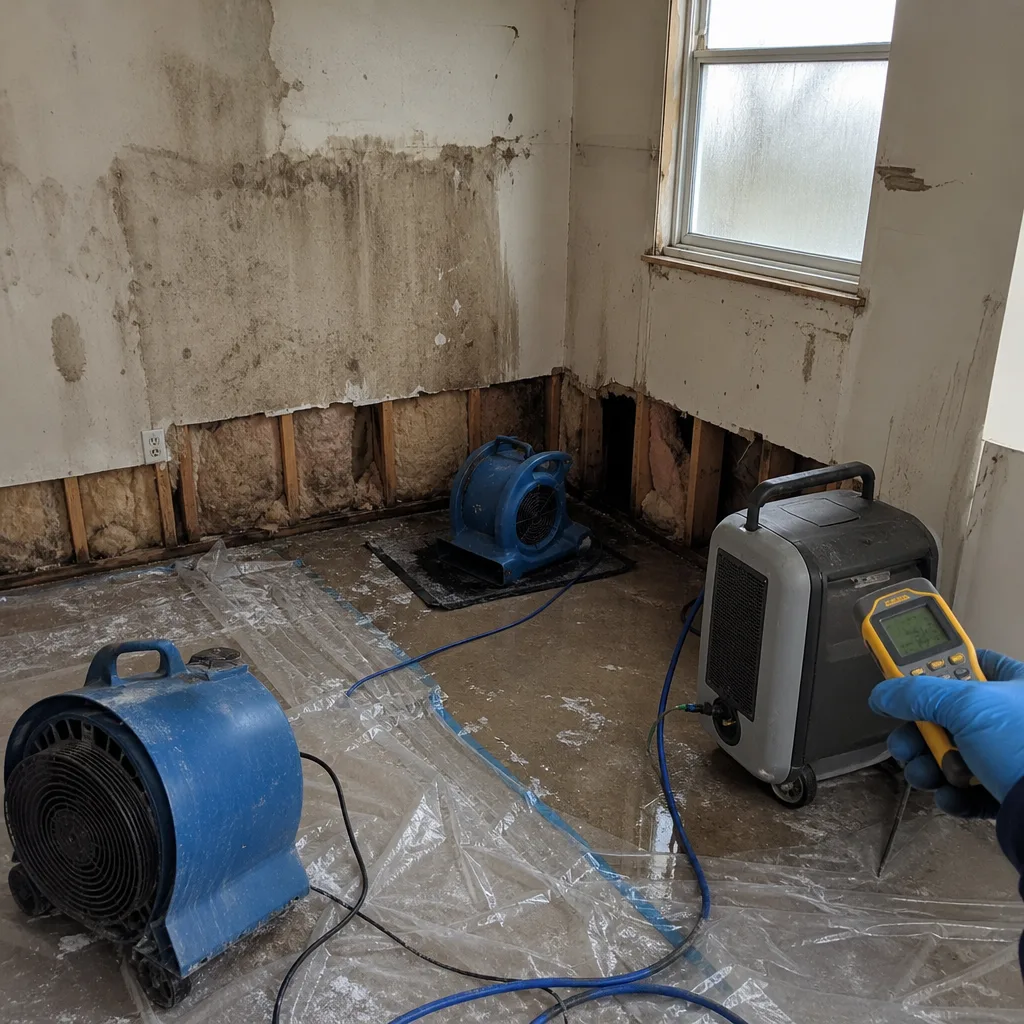 Before
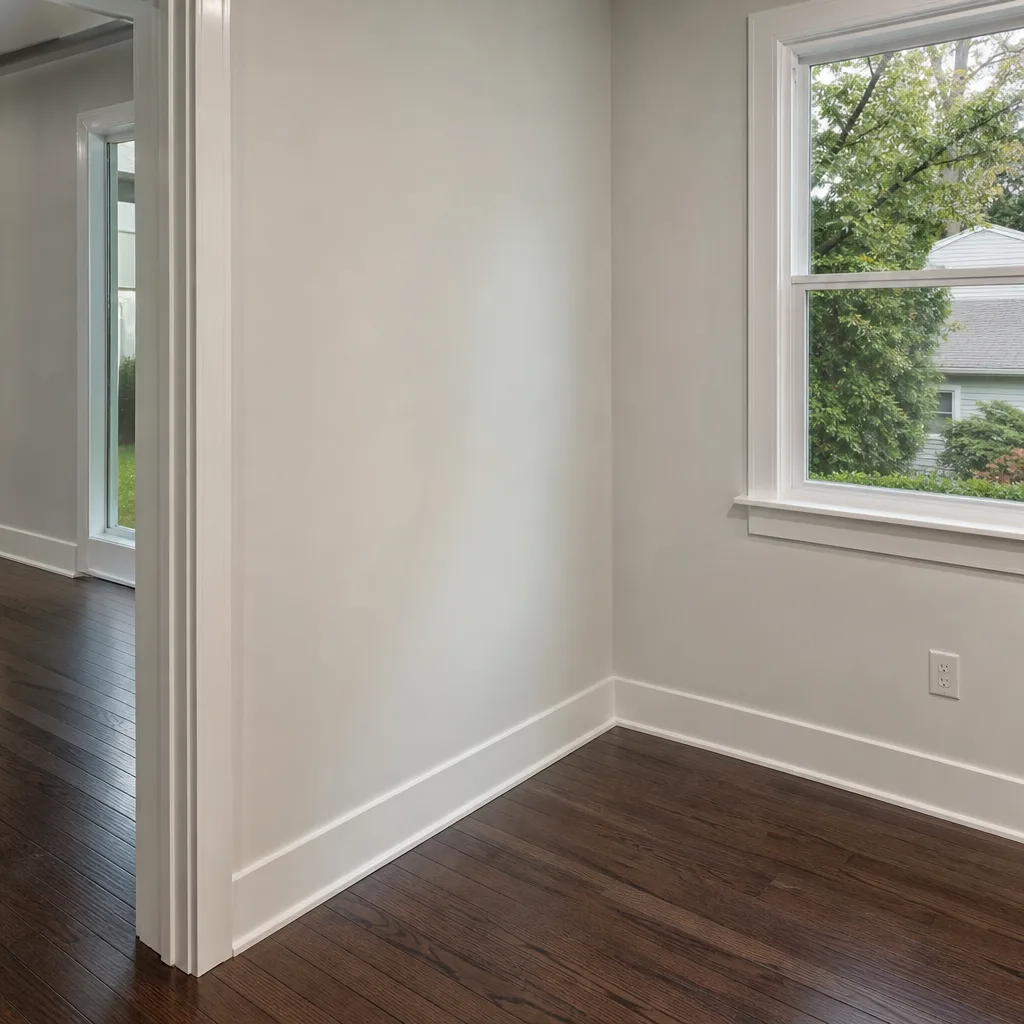 After
After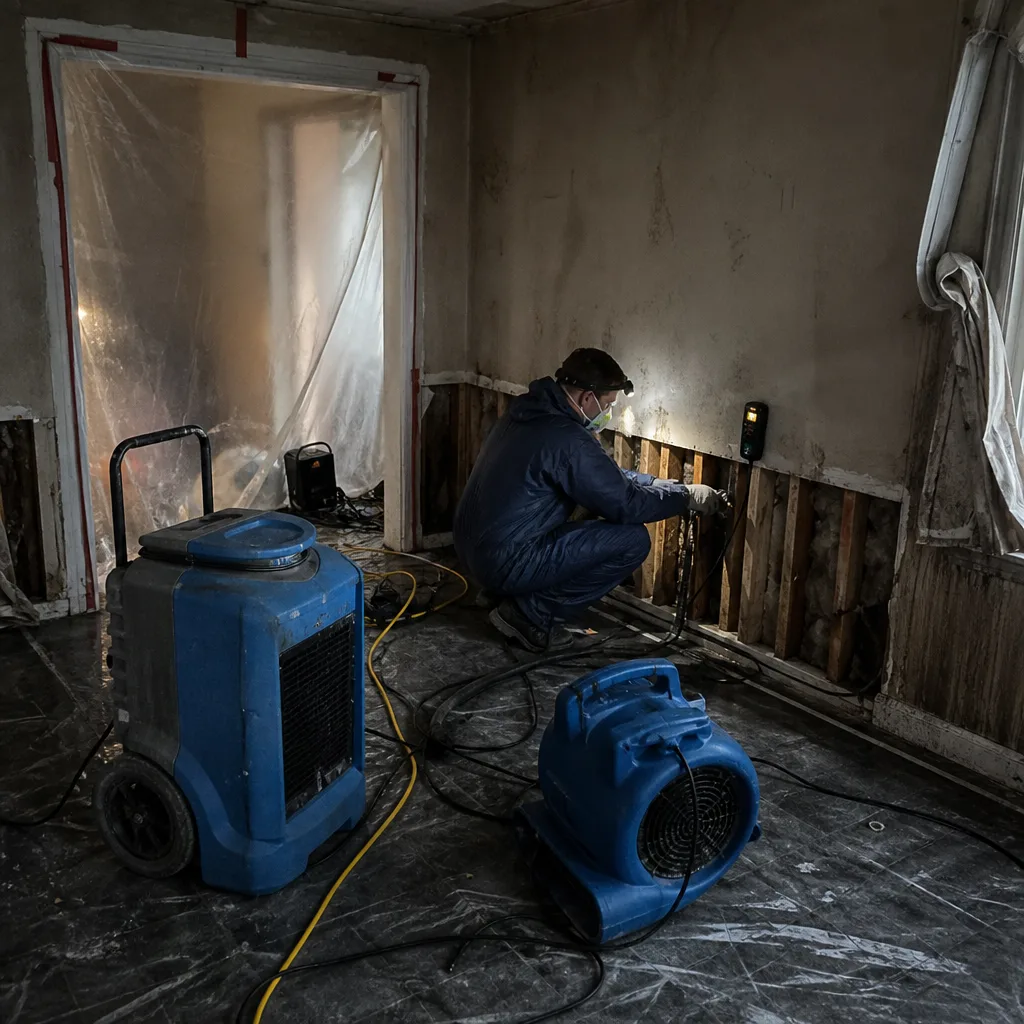 Before
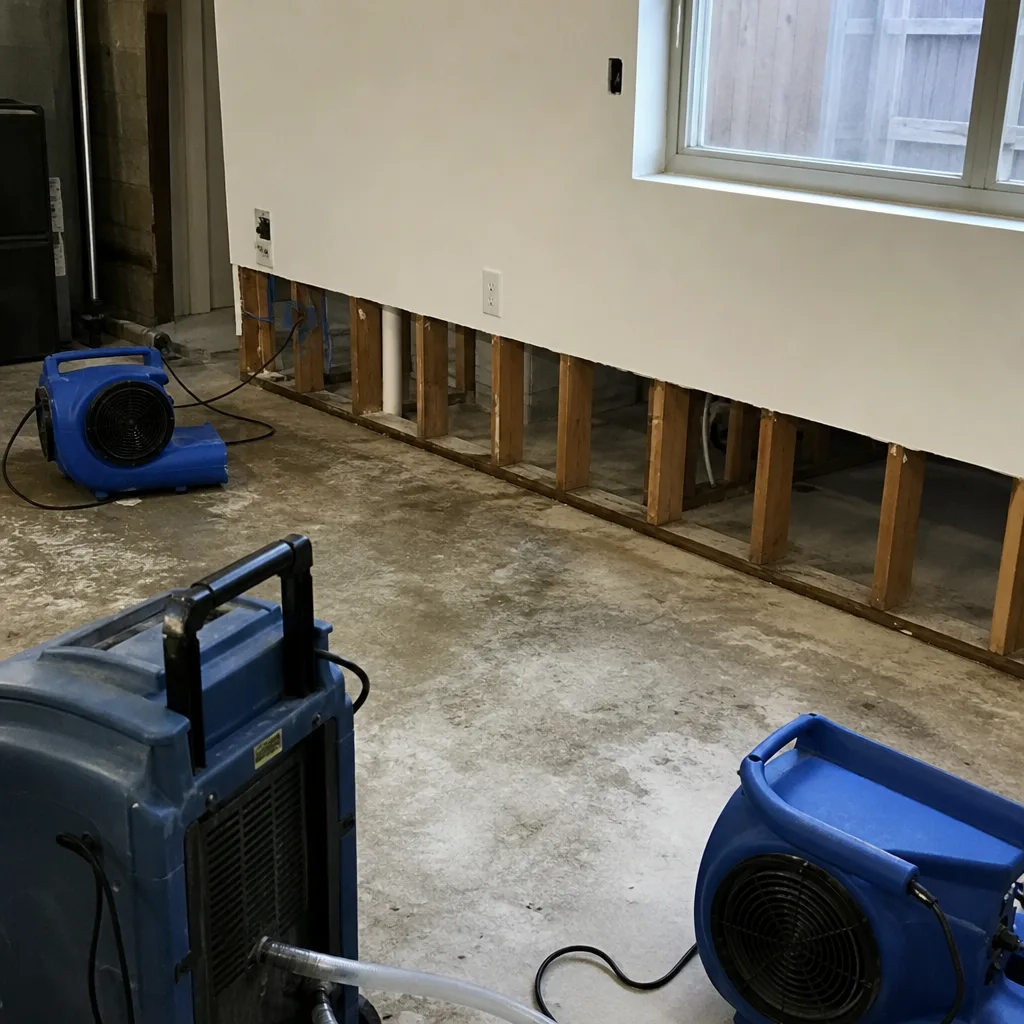 After
After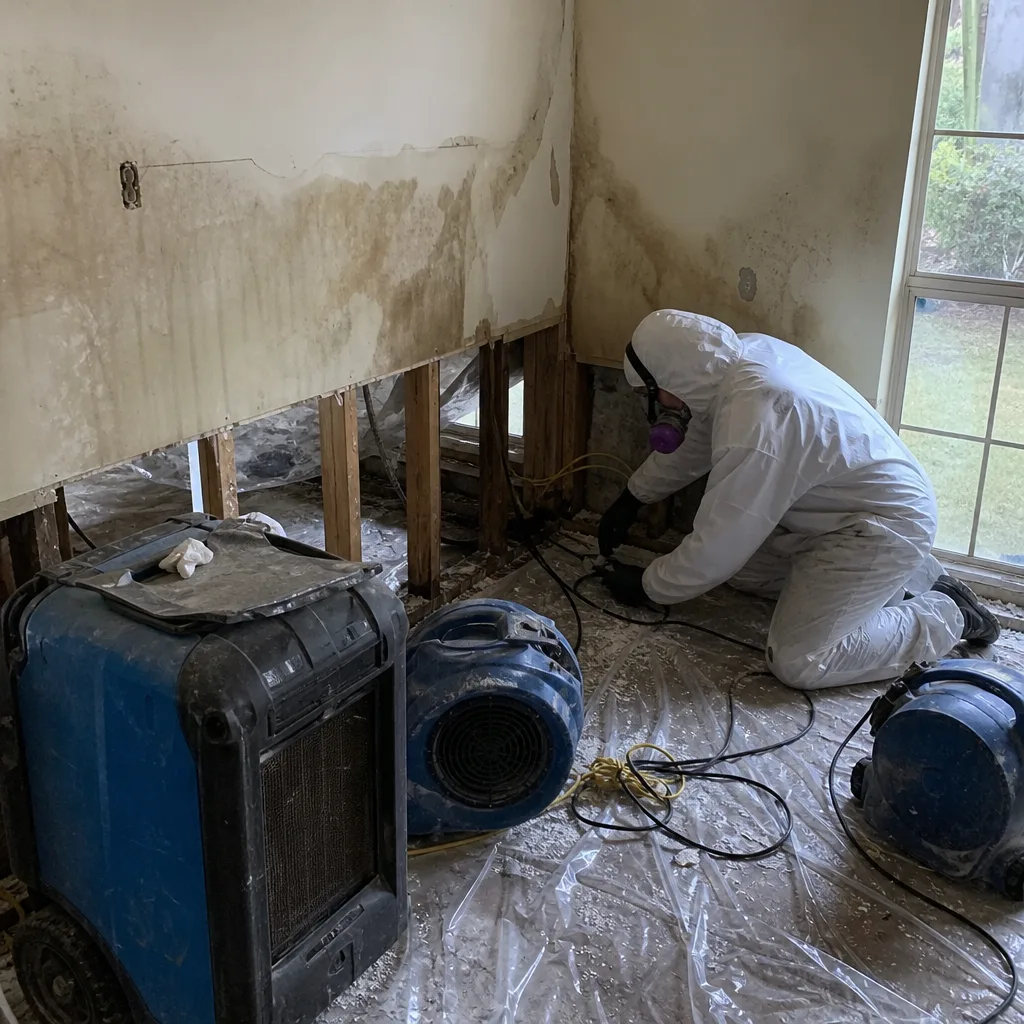 Before
 After
AfterHow Much Does Storm & Disaster Restoration Cost in Houston?
Storm and disaster restoration in Houston typically costs between $3,500 and $12,000 for most residential jobs, with severe water or wind damage running $15,000 to $40,000 or more. The median Houston homeowner pays about $6,800, based on the repair scopes we see most often across Harris County, Fort Bend County, and Montgomery County. Every job gets a written price before any tool is touched, so the number you approve is the number you pay.
If you’re standing in a flooded living room or looking at a tree limb through your roof, here’s the short version: water extraction and drying usually lands between $1,800 and $4,500, roof tarping and board-up runs $500 to $1,500, and full restoration after a major storm event often starts around $8,000. These are the real numbers we quote in Houston, not national averages pulled from a database. Call (254) 277-4577 and a live person will walk you through what your specific situation likely costs.
Key Takeaways:
- Typical Houston residential storm restoration: $3,500 to $12,000
- Water extraction and structural drying alone: $1,800 to $4,500
- Emergency board-up or roof tarping: $500 to $1,500
- Full rebuild after severe storm damage: $15,000 to $40,000+
- Written price before work starts is standard practice at Dryden Restoration Houston, not an upsell
- Every repair carries a 365-Day Done Right Promise in writing
Storm & Disaster Restoration Cost Breakdown (2026)
Here’s what we’re quoting in Houston right now, line by line. These ranges reflect the local market as of 2026, including current labor rates in the greater Houston metro and what equipment, disposal, and materials actually cost here.
| Service | Typical Houston Cost Range | What It Includes |
|---|---|---|
| Water extraction (standing water removal) | $1,800 to $4,500 | Pump-out, extraction wands, initial moisture assessment, haul-away of saturated debris |
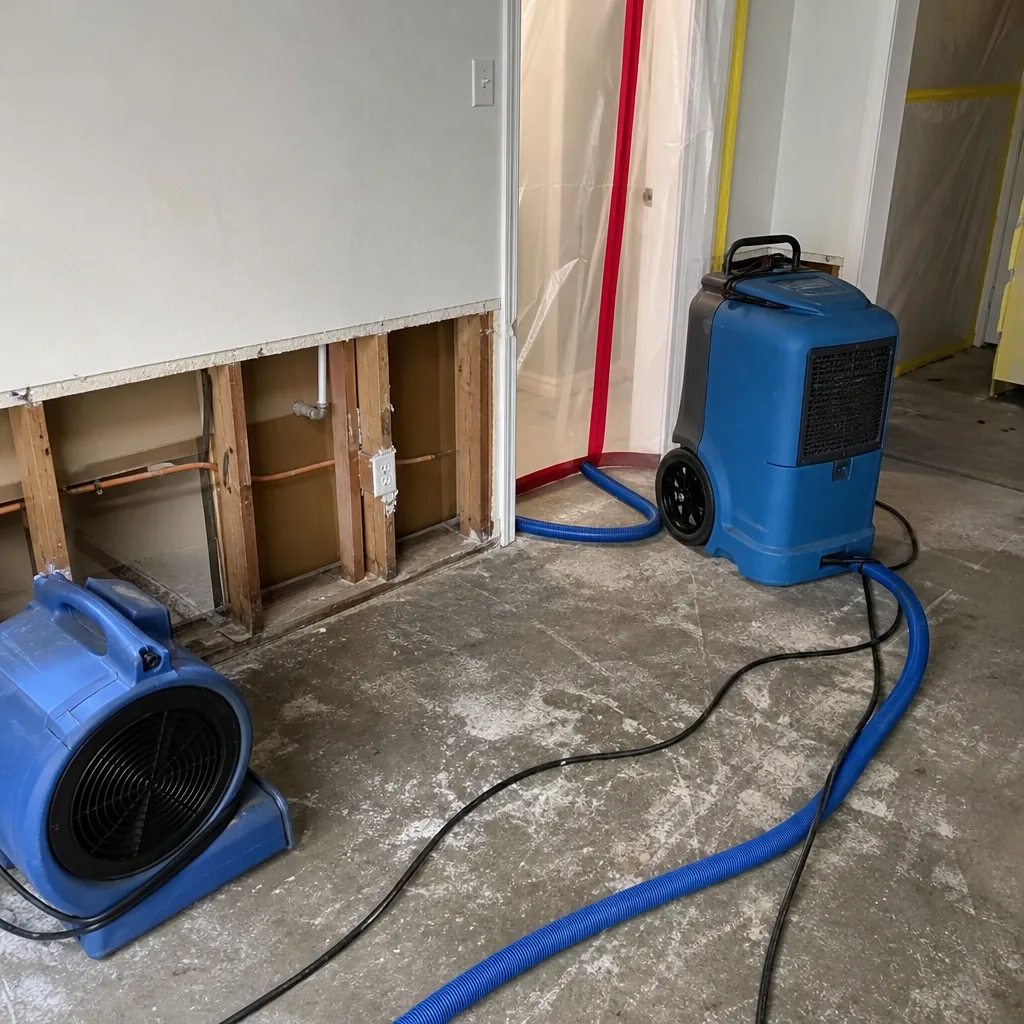
| Structural drying (psychrometric drying) | $2,000 to $6,000 | Dri-Eaz and Phoenix dehumidifiers, XPOWER air movers, Injectidry floor systems, daily moisture monitoring |
| Emergency board-up & roof tarping | $500 to $1,500 | Plywood window/door coverings, reinforced roof tarp, temporary shoring if needed |
| Mold remediation (post-flood) | $1,500 to $5,000 per affected room | Containment, HEPA air filtration, surface treatment, material removal, clearance testing |
| Drywall replacement & repair | $2,000 to $8,000 | Demo of water-damaged drywall, replacement, taping, floating, texture match |
| Flooring replacement (carpet, laminate, hardwood) | $2,500 to $10,000 | Tear-out, subfloor inspection, new material, installation |
| Roof repair (wind/hail damage) | $800 to $4,500 | Shingle or panel replacement, flashing repair, leak seal |
| Typical full restoration scope | $3,500 to $12,000 | Multi-trade project: extraction, drying, demo, rebuild, finish work |
| Severe storm / major disaster work | $15,000 to $40,000+ | Structural repair, full room rebuilds, extensive mold or water damage, large roof sections |
What drives a job to the high end of these ranges? A few things. If water sat for more than 48 hours, the drywall, baseboards, and insulation often can’t be saved, and that’s when the demo cost climbs. A home in Kingwood or The Woodlands with a slab foundation handles flooding differently than a pier-and-beam house in the Heights. And if a storm tore off a section of roof, you’re now paying for structural framing repair on top of water mitigation. We explain all of this in plain English before you sign anything.
At home page level, we publish our core service pricing philosophy: written price before work starts, no door-door surprises. That applies to every storm job we take in Houston.
What Affects Storm & Disaster Restoration Pricing in Houston
Houston isn’t one market. It’s a sprawling metro with different flood zones, foundation types, construction eras, and storm patterns. Here’s what actually changes your bill.
- Water category and contamination level. Category 1 water (clean, from a supply line or rain through a small roof leak) costs less to mitigate than Category 3 water (storm surge, sewage, bayou overflow). Category 3 requires antimicrobial treatment, disposal of porous materials, and sometimes full PPE protocols. That’s a real difference of $2,000 to $8,000 on a single room.
- How long the water sat before restoration started. Houston’s heat accelerates mold growth. In July, mold can colonize in 24 to 48 hours. A job we start the same day often needs extraction and drying only. A job that waited three days usually needs drywall removal, insulation replacement, and mold remediation, which doubles or triples the cost.
- Home age and construction type. Older homes in neighborhoods like Meyerland or Timbergrove may have plaster walls instead of drywall, asbestos-containing materials in pre-1980s flooring, or ungrounded electrical that complicates repairs. Pier-and-beam foundations in Bellaire and West University dry differently than slab foundations in Katy or Cypress.
- Roof and window access. A two-story home in Memorial with a steep pitch costs more to tarp than a single-story ranch in Pasadena. We send a two-person crew with fall protection for steep pitches, and that shows up honestly in the written estimate.
- Contents and furniture. If your furniture, rugs, and personal belongings absorbed water, you’re adding contents restoration, pack-out, and storage to the scope. Upholstered furniture soaked in Category 3 water is usually a loss. We don’t pad the bill pretending otherwise, but it does get itemized.
- Time of year and storm volume. After a big event like a named hurricane or a Memorial Day flood, demand surges across Houston. Material prices move, dumpster availability tightens, and labor is stretched. A job in March may price differently than an identical job in September. We still give written pricing, but the market is the market.
How to Save on Storm & Disaster Restoration
Restoration isn’t a place to hunt for the lowest bid. A cheap dry-out that leaves moisture in your walls creates mold remediation costs three months later, and the second bill is always bigger. That said, there are legitimate ways to keep your total down without cutting corners.
- Call the moment you notice water. The single biggest cost driver in Houston is delay. If water sits for 48 hours, you’re adding drywall demo, insulation replacement, and mold treatment. Call (254) 277-4577 the hour you discover the problem. A live person answers, 24 hours a day, 7 days a week, and we can usually have a crew dispatched the same day.
- Document everything before anything gets moved. Photos of standing water, wet drywall, damaged roofing, and ruined contents help your insurance claim. Good documentation is the difference between a covered loss and a denied claim. We help with this as part of our normal intake, no extra charge.
- Stop the water source if it’s safe. If you can shut off the main water valve or turn off power to a flooded area without entering standing water, do it. Do not touch the electrical panel if it’s wet. A plumber or electrician handles that, not a brave homeowner standing in an inch of water.
- Move dry contents out yourself. Furniture, rugs, photo albums, electronics, clothes: anything that’s dry and portable, move it before we arrive. At the Storm & Disaster Restoration in Houston page we explain the full sequence. The more you move, the less time our crews spend on contents handling, and that reduces your labor line.
- Know your insurance before the storm hits. Houston homeowners with flood insurance through NFIP or a private carrier have different coverage than someone relying on standard homeowners insurance. Wind and hail are usually covered. Flooding from rising water is not covered by standard policies. Knowing what your deductible is, what your policy covers, and whether you have replacement-cost or actual-cash-value coverage changes every restoration conversation. We’re not insurance adjusters and we won’t pretend to be, but we do provide the moisture readings, photo documentation, and line-item scope descriptions that make claims go through properly.
- Get a written price and don’t work with anyone who won’t give one. A restoration company that says “we’ll see when we get there” is setting up a door-door price escalation. At Dryden Restoration Houston, every job starts with a written price. The number does not change at the door. If additional damage is discovered mid-job, we stop, show you what we found, and get written approval before doing anything extra.
Free estimates are available for any storm or disaster restoration scope in the Houston area. Call (254) 277-4577 and we’ll get you a number.
What the 365-Day Done Right Promise Covers
We put our guarantee in writing on every storm restoration job. Here’s exactly what it means: if any covered repair fails within 365 days of completion, we come back and make it right at no charge. That’s the repair itself and the labor to correct it. No prorating, no arguing about whether it’s our fault, no “that’s just how old homes behave.” If the drywall we hung cracks, if the drying job left moisture that re-wets the subfloor, if the roof repair leaks again, we’re back. In writing. On the invoice. Not verbal.
Carl Brandt, who runs Dryden Restoration Houston, built this guarantee into every job because he watched too many Houston homeowners pay twice for the same repair. The Kingswell Way is simple: say the price before the work, show up in the window we gave, leave the place cleaner than we found it, and come back if it fails.
Frequently Asked Questions About Storm & Disaster Restoration Costs in Houston
How much does water damage restoration cost in Houston after a storm?
Water damage restoration in Houston after a storm typically costs $3,500 to $8,000 for a single affected room, including extraction, structural drying with professional equipment, drywall repair if needed, and finish work. A multi-room flood affecting 1,000 square feet or more usually lands between $8,000 and $15,000 when you factor in demo, drying, rebuild, and flooring. Call (254) 277-4577 for a written estimate specific to your home. Estimates are free.
Is storm restoration covered by insurance in Houston?
Wind and hail damage from storms is covered by standard Texas homeowners insurance policies, but flood damage from rising water requires a separate flood insurance policy, usually through NFIP or a private carrier. Typical Houston deductibles for wind and hail run 1% to 2% of your dwelling coverage, meaning a $300,000 home often carries a $3,000 to $6,000 deductible before restoration coverage kicks in. Flood insurance deductibles commonly run $1,000 to $10,000 depending on the policy. We provide full documentation, moisture readings, and itemized scopes to support your claim, and we’ll match our written pricing to what your adjuster needs to see.
How much does emergency roof tarping cost in Houston?
Emergency roof tarping in Houston runs $500 to $1,500 depending on roof height, pitch, and the size of the damaged area. A simple single-story tarp over a 10-by-10-foot section is on the low end; a two-story steep-pitch roof in Memorial or River Oaks where we need a fall-protection crew is on the high end. Tarping is temporary protection, not a repair. It buys you time to file your claim and schedule permanent work without further water intrusion.
How quickly can a restoration crew get to my home in Houston?
In most cases, we can have a crew at your Houston home the same day you call. A live person answers our phone 24 hours a day, 7 days a week, so you’re never leaving a voicemail while water sits in your house. After a citywide storm event, same-day dispatch still holds for most of the Houston metro, though drive times to far-flung parts of Katy, Tomball, or Baytown can push arrival to the next morning. Call (254) 277-4577 and you’ll get a named arrival window, not a vague “someone will be out there sometime.”
Is it cheaper to repair storm damage or replace everything affected?
Repair is almost always cheaper than replacement when materials are salvageable, which is why we push hard to dry surfaces properly and save what we can. In Houston, repairing a water-damaged room typically runs 40% to 60% less than a full gut-and-rebuild. But there’s a hard line: drywall and insulation that stayed wet more than 48 hours, carpet and pad soaked in Category 3 water, and any structural wood with mold penetration are not candidates for saving. A good restoration company tells you the truth about what’s salvageable. That’s the difference between a $4,000 repair and a $12,000 rebuild, and it’s a difference we document with moisture readings, not opinions.
Why do storm restoration costs vary so much between Houston neighborhoods?
Neighborhood variation in Houston comes down to flood zone exposure, home age, and construction type. A 1950s pier-and-beam home in Bellaire has open crawlspace that dries differently than a 2005 slab foundation in Sienna. Homes in Meyerland and Braeswood sit in flood plains and see repeated water events, which means pre-existing damage from earlier storms gets discovered during mitigation. Newer construction in Cypress and Katy often uses more water-resistant materials but has tighter building envelopes that trap moisture if drying isn’t done right. These are real local conditions we account for in every Houston estimate.
Our Equipment and Standards
We run the same professional-grade drying equipment used by large commercial restoration crews: Dri-Eaz and Phoenix dehumidifiers, XPOWER air movers, B-Air filtration systems, and Injectidry floor drying mats. Our work follows IICRC, RIA, and IFA standards, which are the damage-restoration industry’s recognized benchmarks for training, procedure, and ethics. When we take moisture readings, set drying targets, measure relative humidity, or calculate psychrometric drying requirements, this pressure, temperature, and moisture-relationship science that determines how fast a structure can release trapped water, we’re following those standards, not guessing.
Every technician who enters your home is background-checked and arrives in a Dryden uniform. You’ll know exactly who you’re letting through the door. After a storm, you’ve already got enough stress. The last thing you need is a stranger with a truck and no credentials standing in your living room.
What to Do Right Now if Your Houston Home Has Storm Damage
- Ensure everyone is safe. If there’s standing water near electrical outlets or your panel, do not enter. Wait for the utility company or an electrician to disconnect power.
- Call Dryden Restoration Houston at (254) 277-4577. A live person answers, 24/7. We’ll ask a few questions, give you a plain-English assessment of what we’re dealing with, and schedule a crew.
- Photograph everything. Before moving anything, document the damage. Wide shots of rooms, close-ups of wet drywall, video of standing water. This is your insurance claim’s backbone.
- Stop the water if you can do it safely. Main water shut-off is fine if it’s dry and accessible. Roof leaks get a tarp from us as part of the initial emergency response.
- Move dry valuables out. Anything dry and portable goes to safety. Anything wet goes in the documentation pile for your claim.
- Do not attempt DIY structural drying with household fans. This is the mistake that costs Houston homeowners thousands in mold remediation later. Household fans move air across the surface of a wall, but they do not pull moisture from inside wall cavities, under flooring, or from insulation. That requires commercial dehumidification and air movement calculated to the space. A fan dries the paint. It doesn’t dry the house.
Storm restoration in Houston is one of those services where speed, documentation, and honest pricing matter more than anything else. The water doesn’t care how nice your house is. What matters is how fast we get it out, how completely we dry what’s left, and whether the repair holds up to the next storm. Those are the three things we put in writing.
If you’re dealing with storm or disaster damage in Houston, call (254) 277-4577 for a free estimate. You’ll get a live person, a straight answer on cost, and a written price before any work begins. That’s how we’ve operated since 2005, and it’s how every job still runs today.
Pricing reflects the Houston market as of 2026. Dryden Restoration Houston offers free estimates, call (254) 277-4577.
Written by Carl Brandt, Owner at Dryden Restoration Houston, serving the greater Houston area since 2005.
What Our Customers Say
"Honest crew. They could have told me the whole floor needed to come up. Instead they dried it properly, monitored it for a few days, and saved most of the hardwood. Checked their own work before closing it out."
- Andre Washington"Washing machine hose burst and flooded the laundry room and part of the garage. They were there within the hour and had it dried out over a few days. Saved the drywall."
- Teddy Coyle"Dishwasher leaked for who knows how long under the cabinets. They found the hidden moisture, dried it, and treated it so mold wouldn't start. Explained everything and stood behind it in writing."
- Hailey Brennan