
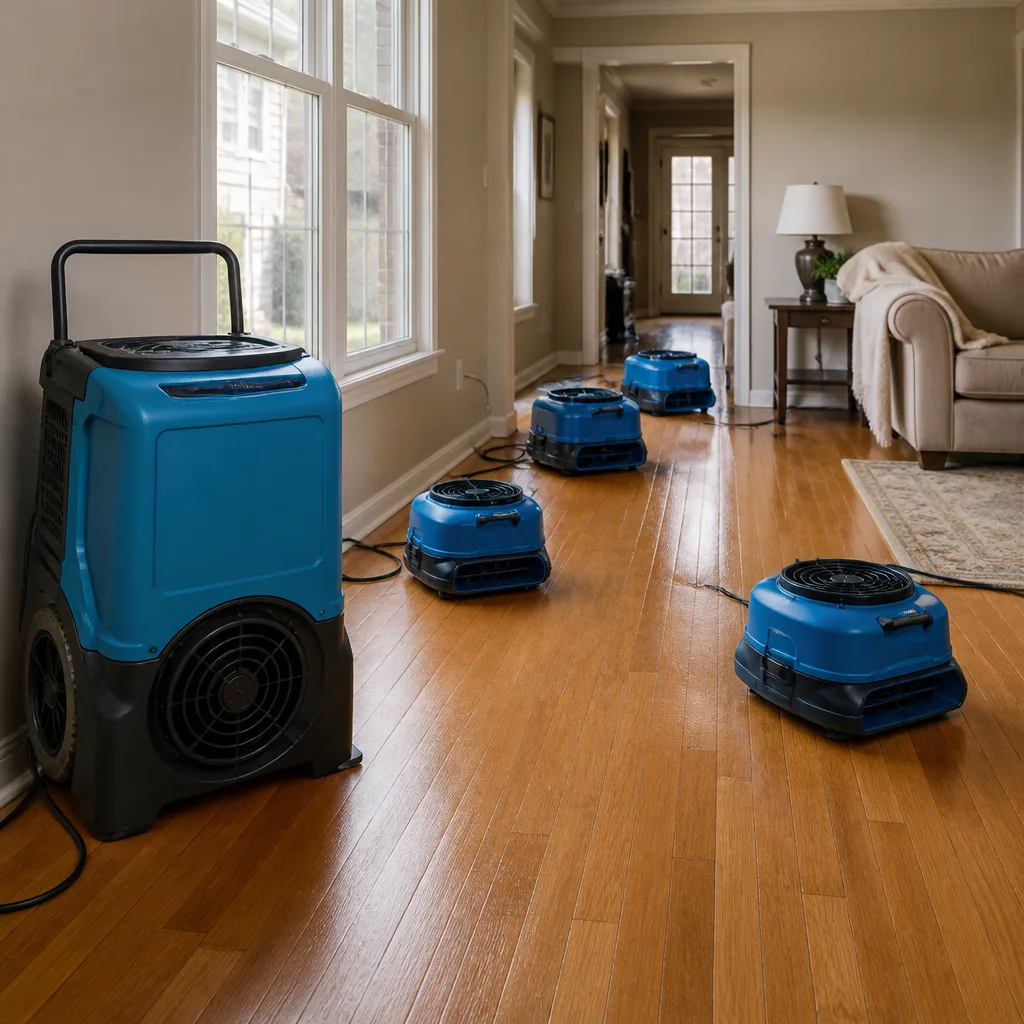
 Water damage drying
 Fire & smoke cleanup
 Mold remediation
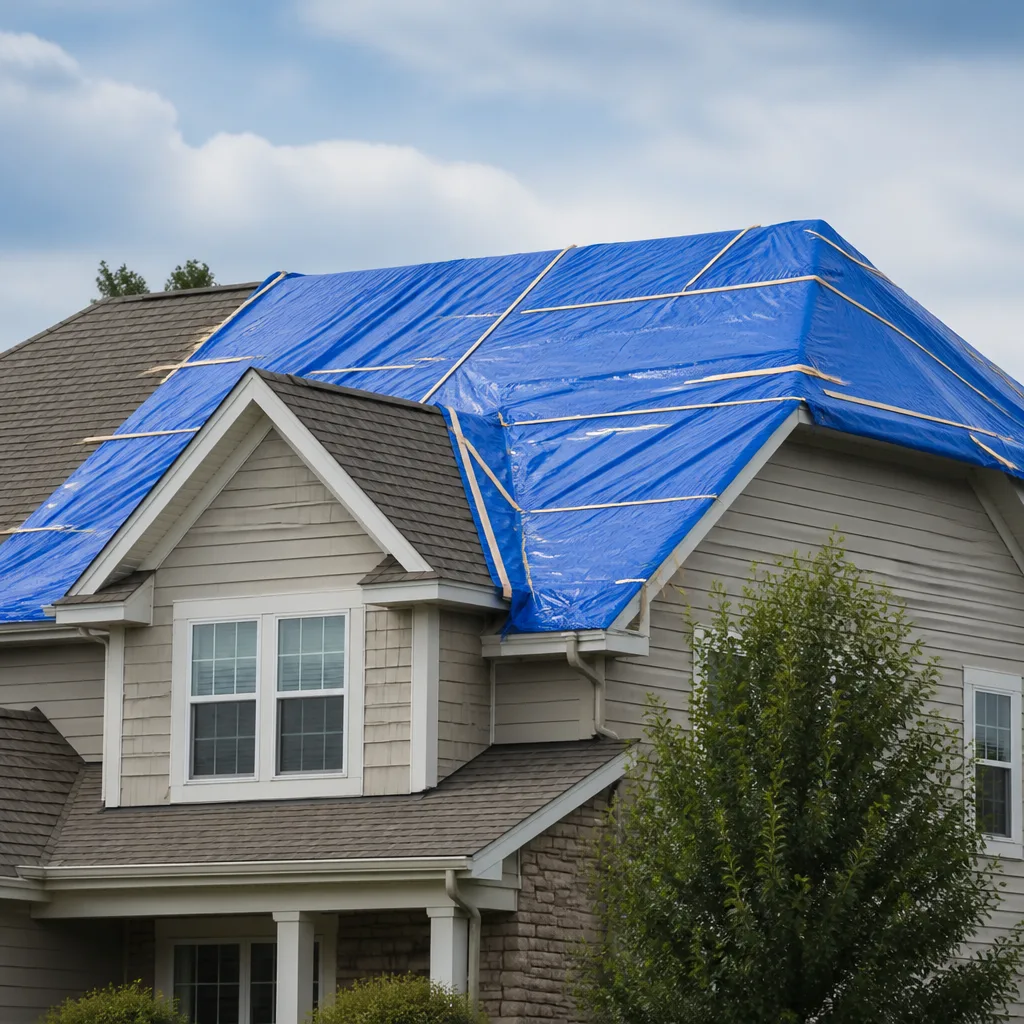 Storm response
 Sewage cleanup
 Reconstruction
Free visual inspection and a written scope of work before any mitigation begins - photos, moisture readings, and drying logs go in your claim file
The scope we write is the scope we bill. Anything new gets shown to you, in writing, before we touch it.
Get your free estimateFast, Reliable Water Damage Restoration Across Houston
Water damage in Houston doesn’t wait for business hours, and neither do we. Whether it’s a burst pipe in a Heights bungalow, storm surge in Clear Lake, or a ceiling collapse in Sugar Land after a Gulf downpour, our crews at Water Damage Restoration arrive with professional-grade drying equipment and a written price before any tool leaves the truck. You’ll speak to a live person at (254) 277-4577 any hour, any day. We know Houston’s water problems because we’ve been responding to them across this sprawling, flood-prone city since 2005. The water here moves differently than it does in Dallas or Austin. Houston’s flat terrain, clay-heavy soil, and subtropical humidity mean drying requires more than fans and hope. It requires psychrometric drying, a method that maps moisture levels throughout affected materials, tracks relative humidity (RH) continuously, and adjusts equipment until hidden pockets of water are gone.
Why Dryden Restoration Houston Is Houston’s Preferred Water Damage Restoration Company
Homeowners across Houston have learned the hard way that not every restoration company shows up when the water recedes. A no-show after a Bellaire pipe burst means buckled hardwood and mold behind baseboards within 48 hours. A price that changes at the door after a Kingwood flood means stress on top of damage. Dryden Restoration Houston operates on a different set of rules, the ones we call The Kingswell Way. We say the price before the work starts, in writing. We show up in the window we gave you. We leave the job site cleaner than we found it. And we put our 365-Day Done Right Promise in writing on every single job. If any covered repair fails within a full year, we come back and make it right at no charge. Not a pro-rated credit. Not a service fee. A free return visit until it’s fixed.
Led by Carl Brandt, our Houston team includes background-checked, uniformed technicians who carry IICRC-aligned training and arrive with Dri-Eaz, Phoenix, and XPOWER equipment, the same machines commercial restoration crews use on large-loss building dry-outs. We serve the entire Houston area, from Pasadena to Cypress, from Pearland to Spring, with dispatch coordinated locally from our Houston office. Homeowners who call us get someone local who knows what a Katy slab home does after a sewer backup, not a call center reading a script.
Restoration work we handle
Water Mitigation in Houston
Water mitigation in Houston is the urgent first step after any water intrusion: stopping the source, extracting standing water, and beginning structural drying before secondary damage takes hold. Think of mitigation as damage triage, the emergency intervention that prevents your home from getting worse while restoration is planned. In Houston’s climate, mitigation must happen fast because mold germination begins within 24 to 48 hours when RH stays above 60%. On a typical Houston water mitigation job, we arrive within 90 minutes of your call, identify the water category, extract standing water with truck-mounted units, and set up containment and drying equipment same day.
The Houston Moisture Load
What makes mitigation different here is the moisture load Houston homes already carry. Ambient outdoor humidity regularly sits above 70%, which means the drying target inside your home is harder to reach and holds less margin for error. We set drying goals based on psychrometric readings, not guesswork. A slab home in Katy with soaked carpet padding won’t dry because the air conditioner runs; it dries because we map moisture in the slab itself and set up sealed containment zones with negative air pressure to pull vapor out, not just push air around.
What Mitigation Costs in Houston
Water mitigation in Houston typically runs $3,500 to $8,500 for a room-scale event, depending on how long water sat, whether Category 3 water is involved, and how much demo is required. A burst supply-line flood in a Meyerland ranch with quick response often lands around $3,200 to $5,000. A sewage backup that sat overnight in a Montrose bungalow can push $7,000 to $9,500 because of antimicrobial treatment, contaminated material removal, and extended drying time.
Flooded Basement in Houston
A flooded basement in Houston is less common than in northern cities, but when it happens it’s usually serious, because the water isn’t coming from a sump pump failure. It’s coming from hydrostatic pressure. Houston’s clay soil expands when wet and contracts when dry, and that constant movement cracks basement walls and floors, letting groundwater push in from below. When homeowners in the Heights or Garden Oaks call us about a flooded basement, we don’t just pump out water. We map the moisture, identify the entry points, and calculate the hydrostatic load that caused the intrusion.
Pier-and-Beam vs. Slab
Older pier-and-beam homes in inner-loop neighborhoods often have crawlspaces that become standing-water reservoirs after heavy rain. The water may never reach living space, but it keeps framing lumber and subfloor saturated, raising indoor RH and feeding mold in places you never see. We treat these as flooded basements too, even if the “basement” is technically a three-foot crawlspace. Drying requires sealing the crawlspace, installing vapor barriers, and running dehumidification until the wood’s moisture content drops below 16%.
Basement Drying Costs in Houston
Flooded basement restoration in Houston usually falls between $4,500 and $11,000. A small seepage event with quick response in a Spring home might land around $3,800. A fully saturated basement with Category 3 water in a Heights bungalow, requiring sump installation, antimicrobial treatment, and structural drying, can exceed $10,000. We always provide a written scope and price before work begins, so you know the number before we start.
Trusted Brands We Service in Houston
Dryden Restoration Houston works on and with the equipment brands Houston homeowners already trust. We stock local parts for Dri-Eaz dehumidifiers and B-Air air movers, and we service Injectidry systems for hardwood floor drying. When a commercial drying job in a River Oaks townhome needs specialized panel-drying for plaster walls, we have the equipment on hand or can source it same day from our Houston supply chain. Our technicians are trained to IICRC standards and align with RIA guidelines, so the same drying principles that work on a 5,000-square-foot commercial loss apply to your living room. Fast turnaround on parts and repairs means less downtime when equipment fails mid-job, which happens in Houston because the humidity runs machines hard.
Common Water Damage Restoration Problems We See in Houston Homes
- Brick-veneer moisture traps. Houston has thousands of brick-veneer homes with weep holes at the base of the brick. Those weep holes clog with clay dust and Houston humidity, trapping water in the wall cavity behind the brick. By the time homeowners see mold on interior drywall, the hidden moisture has been sitting there for weeks or months. Our moisture mapping finds what standard meters miss.
- Clay-soil foundation cracks and pipe breaks. Houston’s expansive clay soil moves constantly. Dry summers shrink it; wet springs swell it. The movement cracks slab foundations and snaps supply lines under them. Leaks start under the slab, travel through the plumbing chase, and surface three rooms away from the source. We trace the water back, not just dry where it puddled.
- Attic HVAC condensation. Houston homes built in the 1980s through 2000s often have air handlers in unconditioned attics. The cold coil sweats in Houston’s humid air, drips onto insulation and drywall, and causes ceiling stains and hidden mold. We handle the water damage and can advise on the condensation source before remediation finishes.
- Post-storm Category 3 water. After any hurricane or major flood event, Houston stormwater carries sewage, chemicals, and debris. This is Category 3 water, and it requires full antimicrobial treatment and material removal. Because Houston has no formal zoning, some residential areas sit adjacent to industrial sites, which can complicate the contamination profile of floodwater. We test and treat accordingly.
See the difference
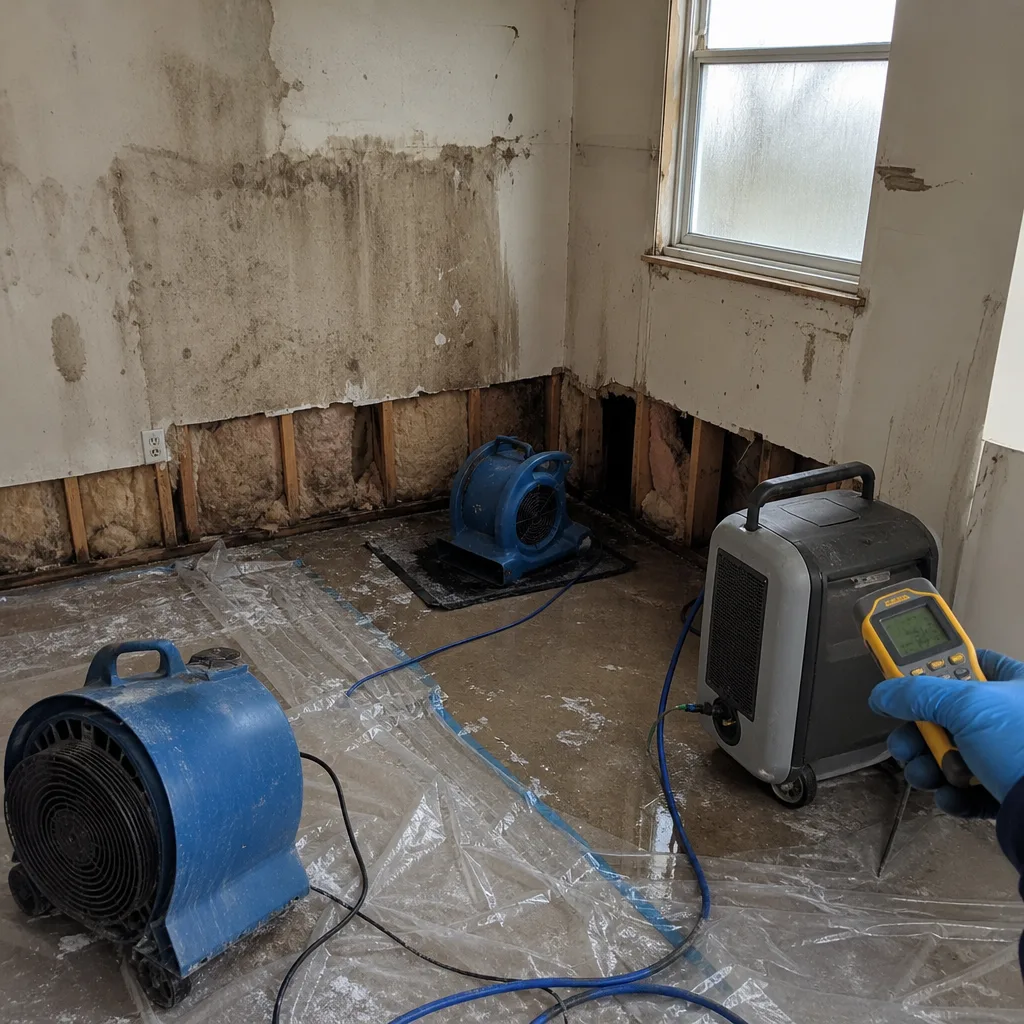 Before
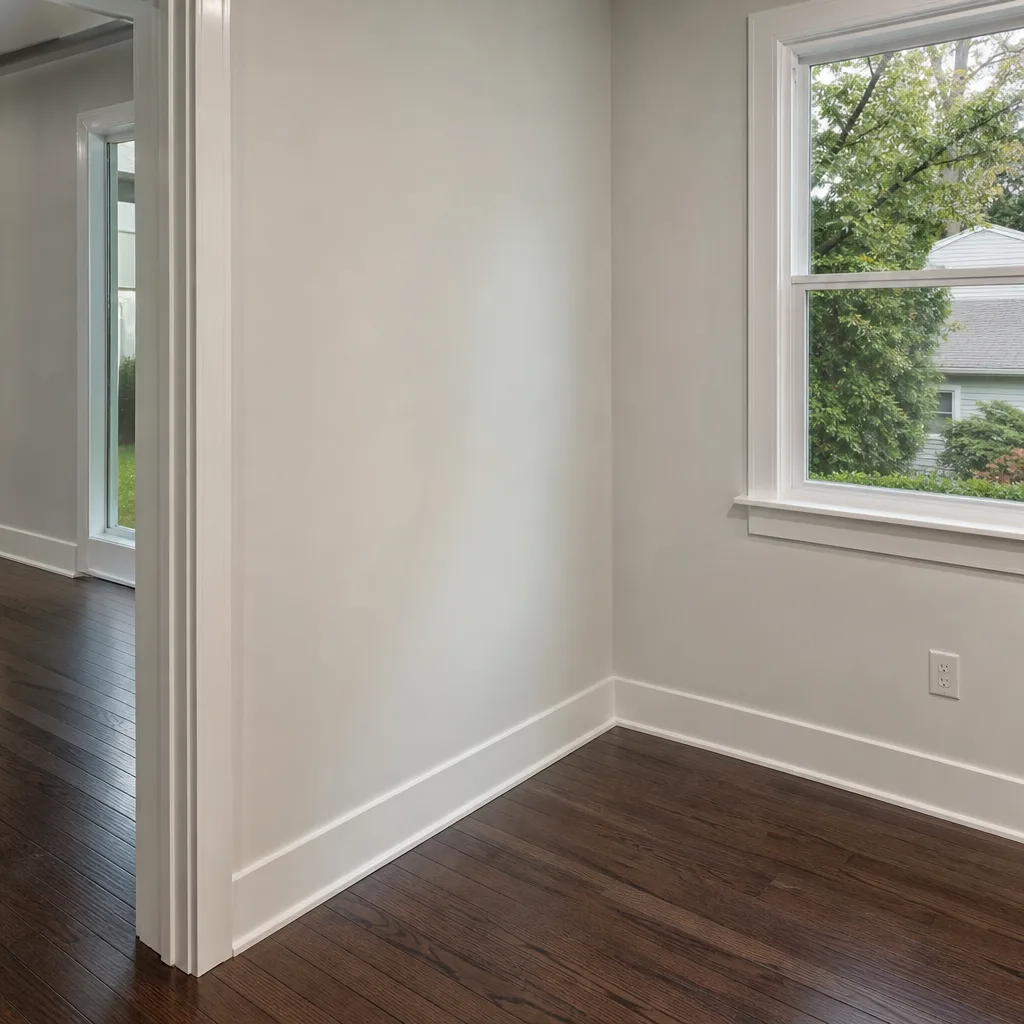 After
After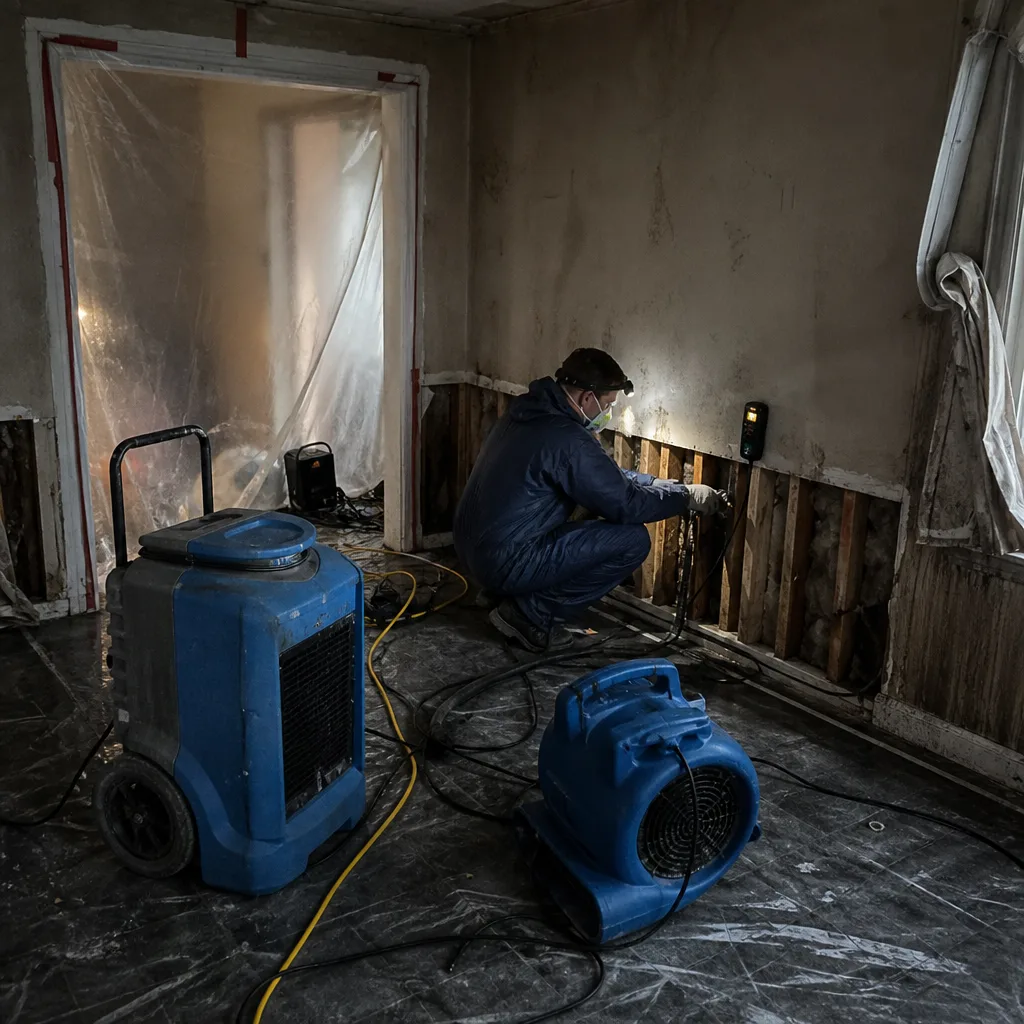 Before
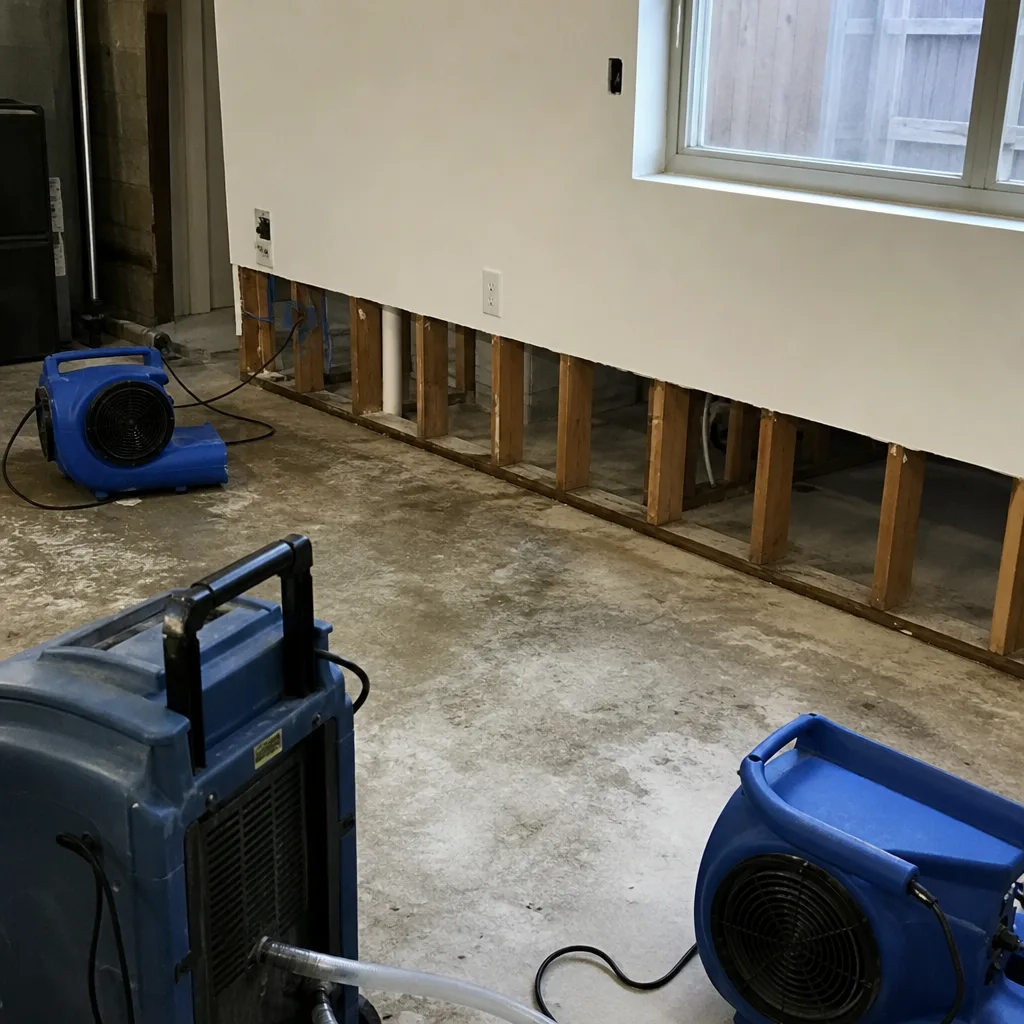 After
After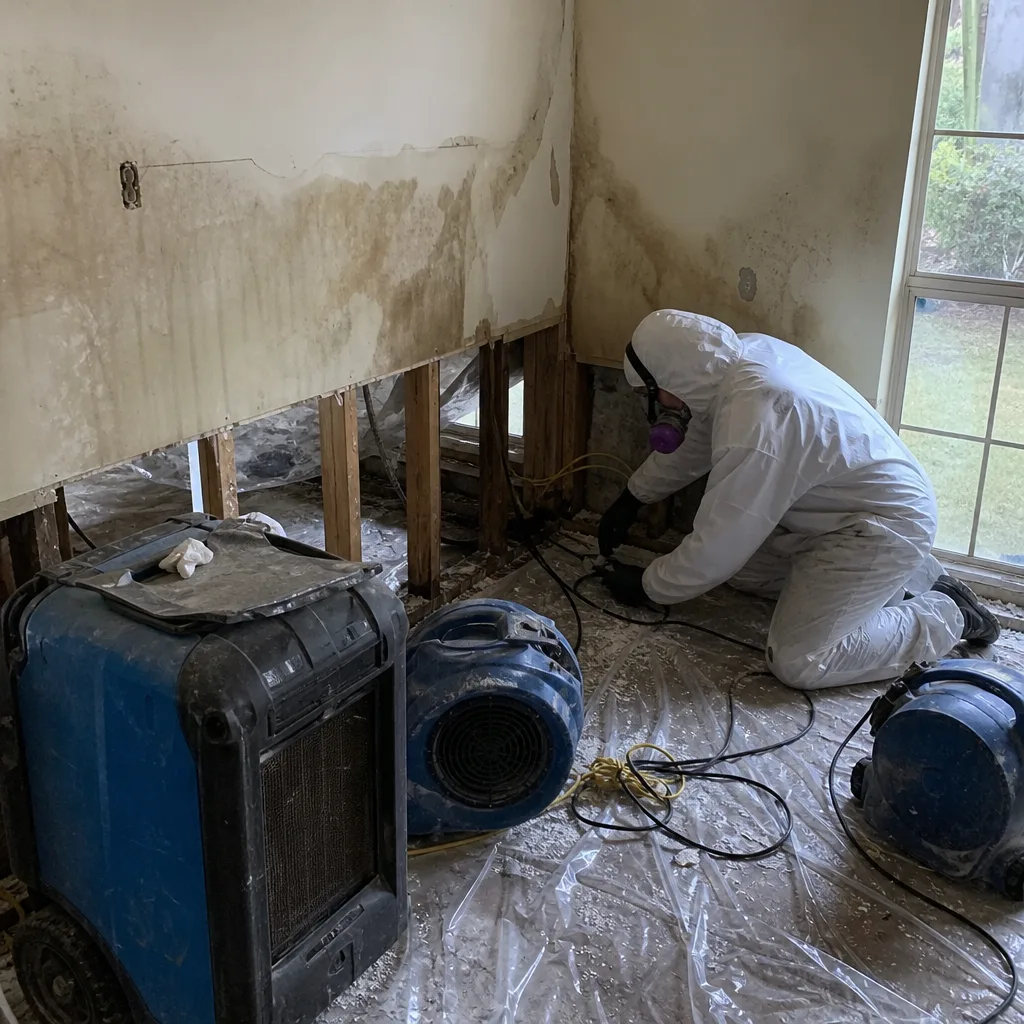 Before
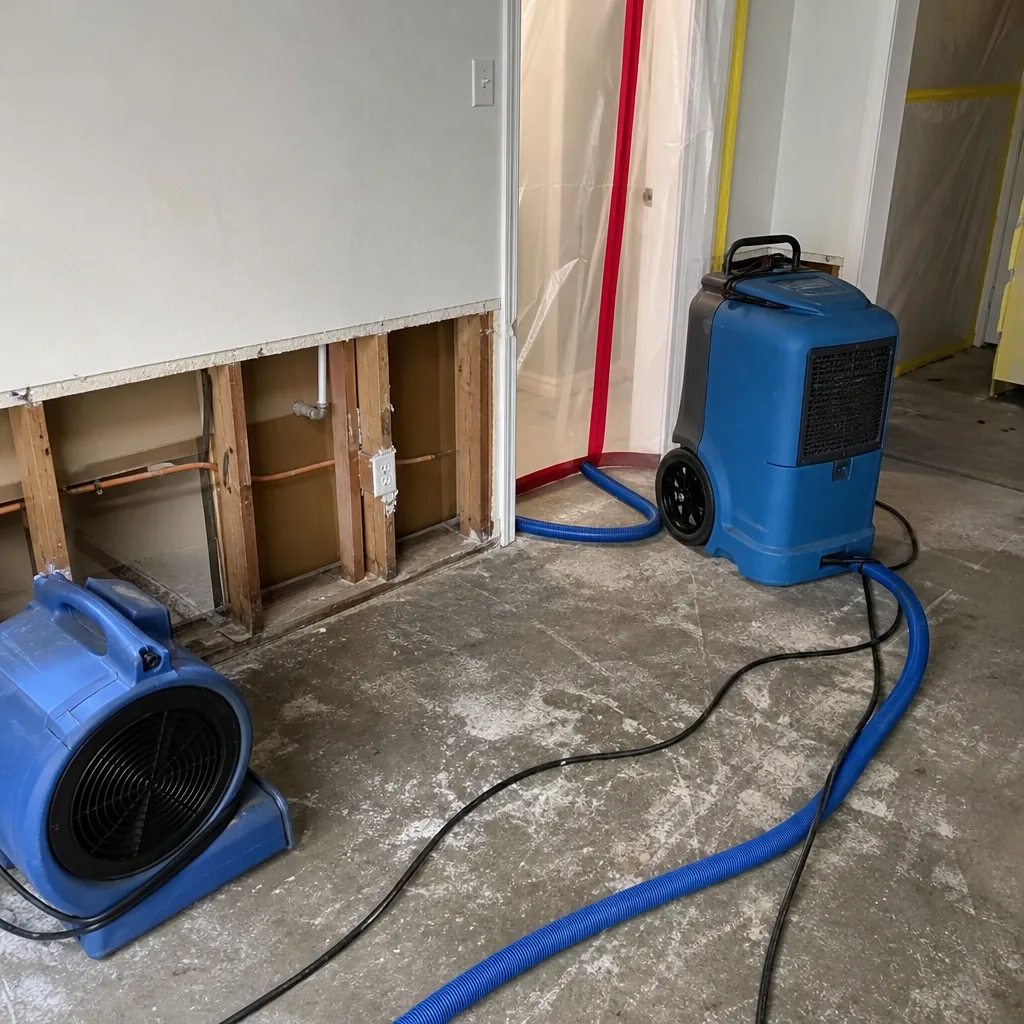 After
AfterPricing for Water Damage Restoration in Houston, TX
We Also Serve Cities Near Houston
If you’re in Channelview, Humble, Highlands, or Spring, our crews reach you just as quickly. The same written pricing, the same 365-Day Done Right Promise, and the same background-checked technicians who serve Houston apply to every job in these surrounding communities. We’re local to the metro, not just the city limits.
Serving Houston, TX - Our Local Coverage Area
We’re based in the Houston area and know this community well. Use the map below to see our service coverage - if you’re nearby, we can almost certainly help.
FAQs About Water Damage Restoration in Houston
How do I know if my water damage is Category 1, 2, or 3 water?
Category 1 is clean water from a supply line or faucet; Category 2 carries contaminants like washing machine overflow; Category 3 is sewage, floodwater, or storm surge. Category 3 requires full antimicrobial treatment and material disposal, and most Houston stormwater qualifies. Call (254) 277-4577 and a technician can test the water source and tell you the category before any drying plan is set.
Why does Houston’s clay soil make water damage worse than in other cities?
Houston sits on expansive clay that shrinks in drought and swells after rain, cracking foundations and breaking pipes in ways sandy soil doesn’t. The same pressure forces groundwater up through slab cracks in a process called hydrostatic seepage. Homes that look dry on the surface can be wicking moisture from below for months. A proper moisture map of the slab, not just the walls, is the only way to confirm the house is actually dry.
How fast does mold really grow in a Houston house after a leak?
In Houston’s humidity, mold spores can germinate within 24 to 48 hours when materials stay wet and RH stays above 60%. The window is shorter in summer when ambient humidity rarely drops below 70%. That’s why we dispatch same-day and begin extraction and airflow immediately. Waiting a weekend to call can turn a $4,000 drying job into a $12,000 mold remediation.
What is ‘Houston’s hidden water’ and why should I worry about it?
Houston’s hidden water is moisture trapped behind brick veneer or in pier-and-beam crawlspaces that never shows up on a standard moisture meter. Clogged weep holes, clay dust, and constant humidity create perfect pockets for invisible mold growth. Our technicians use Protimeter mapping and infrared cameras to find water standard equipment misses. If you smell must but see no stains, the water is hiding, not absent.
My house in Houston is on a slab, do I still need a ‘flooded basement’ inspection?
Yes. Slab homes in Houston can still flood from hydrostatic pressure pushing groundwater up through foundation cracks, or from a supply-line break under the slab that surfaces in a hallway closet. The water doesn’t need a basement to ruin your subfloor, baseboards, and drywall. A slab moisture map confirms whether the concrete itself is wicking water, and that changes the entire drying plan. Estimates are free, so call (254) 277-4577 to get one scheduled.
Call Dryden Restoration Houston for Water Damage Restoration
Water in your Houston home won’t wait for morning, and you don’t have to either. Call (254) 277-4577 right now and speak to a live person who can dispatch a crew to your home anywhere in Houston, from Humble to Channelview, from Spring to Highlands. You’ll get a written price before any work starts, a named arrival window, and a 365-Day Done Right Promise in writing. If the repair fails within a year, we come back at no charge. Plain and simple. That’s the way restoration work should work in Houston, and it’s the way we do it.
Written by Carl Brandt, Owner at Dryden Restoration Houston, serving Houston and surrounding communities with water damage restoration since 2005.